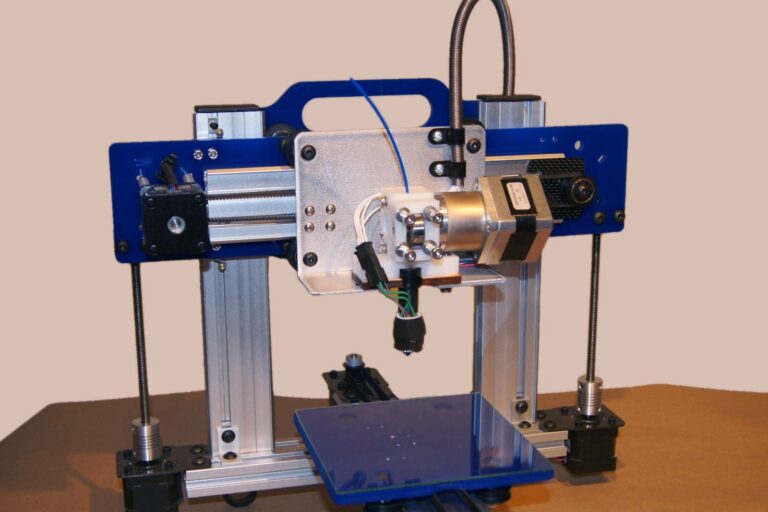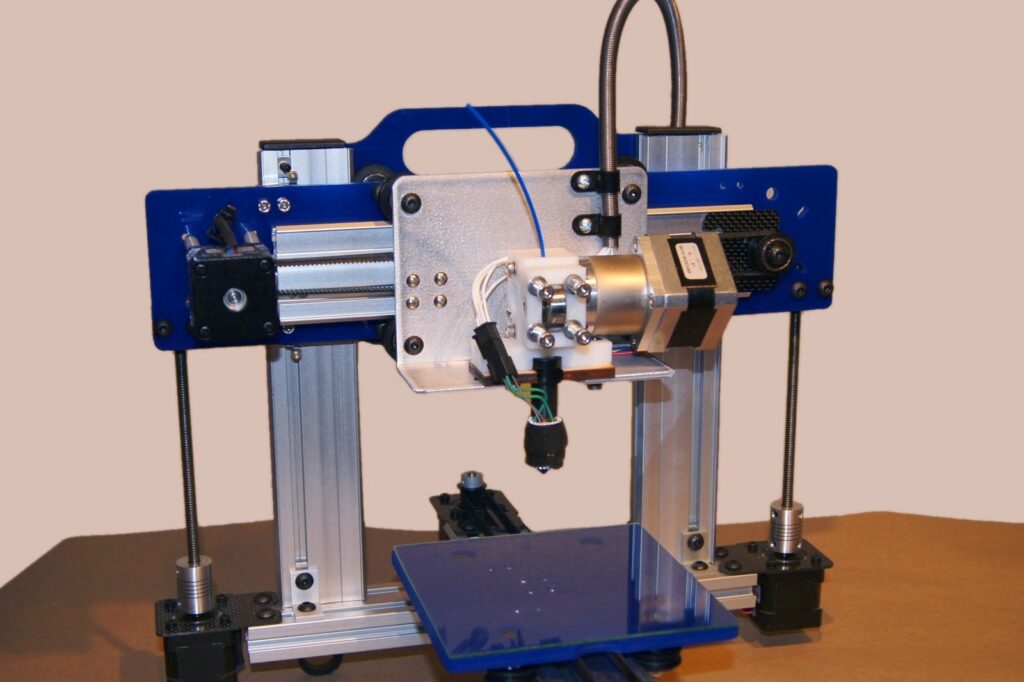
I stopped letting my Bambu Lab 3D printer phone home, and the privacy gain was worth every minute of setup. The default cloud‑based workflow routes every sliced file through the vendor’s servers, but switching to LAN‑only mode keeps the data confined to the local network without sacrificing speed.
Default Cloud Routing Exposes Print Files
Bambu Lab printers require an account login and an active internet connection; when the user hits “send”, the sliced model is uploaded to the company’s servers before being forwarded to the machine. This means that any design – whether a hobbyist’s figurine or a client’s proprietary prototype – leaves the user’s computer and lands on an offshore server outside the owner’s direct control. For professionals who handle confidential IP, that extra hop creates a tangible risk of unintended exposure.
LAN‑Only Mode Keeps Traffic Local
Activating LAN‑only mode reconfigures the printer to accept files directly from a computer on the same subnet, bypassing the cloud entirely. The workflow remains essentially unchanged: the user selects a model, checks size, orientation and supports, slices it, and then clicks send. The only difference is that the final transfer occurs over the home or office network rather than via Bambu’s cloud. In practice, users report no perceptible slowdown, confirming that the “detail that matters” – the speed of the print job – stays intact.
Why Professionals Should Care
Many makers, including the author of the source article, produce bespoke parts for clients, often under strict rights agreements. Sending those files to a third‑party server could inadvertently leak client IP, a concern echoed by industry observers monitoring emerging regulations on 3D‑printer privacy in California. While no law currently mandates pre‑print scanning, the possibility of future mandates makes a local‑first approach a prudent defensive measure.
Setting Up LAN‑Only Mode
The transition requires only a network configuration change; no additional hardware is needed. Users simply log into the printer’s web interface, select the LAN‑only option, and ensure both computer and printer share the same Wi‑Fi or Ethernet segment. Once enabled, the printer no longer attempts to contact Bambu’s cloud, eliminating the need for continuous internet access.
Trade‑offs: Losing Remote Features
Disabling the cloud does mean forfeiting remote monitoring and cloud‑based slicing services. Users who rely on the Bambu app to start prints from a smartphone outside the LAN will lose that convenience. However, for most desktop‑bound workflows, the impact is minimal, and the security benefit outweighs the loss of a few remote controls.
Context Within the Wider IoT Privacy Landscape
The concerns raised by 3D‑printer cloud routing mirror broader debates about always‑on devices. Recent scrutiny of Apple Watch’s Siri Recap feature highlights how consumer gadgets can unintentionally capture by‑stander data, prompting calls for tighter privacy safeguards. Similarly, California’s 2026 legislative session saw bills targeting workplace surveillance and automated decision‑making, underscoring a growing regulatory appetite for protecting data at the edge of the network.
Bottom Line
For anyone handling sensitive designs, the technical reality is simple: keep the file path under the hood of your own network. Enabling LAN‑only mode on a Bambu Lab printer eliminates the unnecessary cloud hop, preserves workflow speed, and aligns with the emerging privacy expectations shaping IoT devices today.
Sources
- I stopped letting my 3D printer phone home, and the privacy gain was worth every minute of setup
- 3D printing
- Reflecting on Digital Rights Wins and Losses in Sacramento
- These 3D Printers Can Make Any Digital Design a Plastic Reality
- 4 3D printing projects that need PETG, not PLA
- Apple Watchâs New âSiri Recapâ Feature Challenges Privacy Norms
Photo: Bart Dring (GFDL 1.2)