
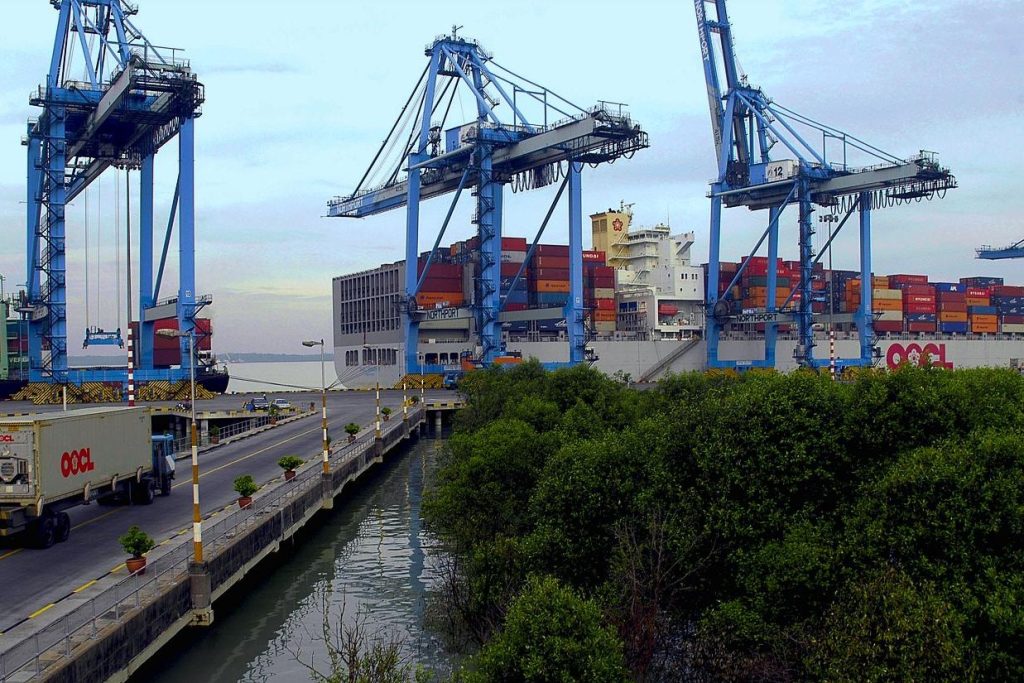
Malaysia, March 21, 2023 — cybernewschronicle.com — Malaysia’s economy has shown a significant boost in exports, with a 9.8% increase to RM112.28 billion in February 2023, according to a statement from the Ministry of International Trade and Industry (Miti). This surge in exports has resulted in a trade balance of RM19.56 billion, with the trade surplus increasing by 7.9% compared to January 2023. The total export value for February 2023 was RM204.99 billion, an 11% increase from the same month the previous year.
The increase in exports can be attributed to robust sales of petroleum products, electrical and electronic (E&E) goods, and liquefied natural gas (LNG). The rise in exports was also supported by a 14.8% year-over-year increase in shipments to Asean nations, totaling RM33.69 billion.
The main driver of this increase was a 27.7% increase in export value to Singapore. However, this growth was partially offset by a 6% year-over-year decline in export value to China, down to RM14.36 billion, due to reduced exports of chemicals and chemical products, petroleum products, and iron and steel products. In contrast, imports rose 12.4% year over year to RM92.71 billion, resulting in a decrease in commerce, exports, and imports by 1.1%, 0.3%, and 1.9%, respectively, due to the shorter workweek.
The import of intermediate products increased by 3.3% year over year, following higher imports of primary fuel and lubricants. The import of consumption goods increased 1.2% year over year, as a result of higher imports of primary food and beverages, mostly for domestic consumption.
Sectoral Performance and Trade Trends
Manufacturing exports, which make up 85% of all exports, rose 9.5% year over year to RM95.4 billion, driven by strong exports of petroleum and E&E commodities. Exports of agriculture goods decreased 9% over the year, due to lower exports of palm oil and farm products based on palm oil. On the other hand, exports of mining goods increased 34.8% year over year to RM9.2 billion, on higher exports of LNG.
The import of capital goods decreased 0.3% year over year, due to lower imports of non-transport capital goods. Exports to the US increased by a double-digit 18.7% year over year to RM12.33 billion, due to robust exports of E&E goods.
This growth in exports to the US, combined with the increase in shipments to Asean nations, has contributed to the overall growth in Malaysia’s exports. The country’s trade surplus and increasing export values are positive indicators of the economy’s performance, and the government will likely continue to monitor and support the growth of key sectors such as manufacturing and mining.
Outlook and Future Developments
Looking ahead, Malaysia’s economy is expected to continue its growth trajectory, driven by the strong performance of its exports. The country’s trade balance and surplus will be closely watched, as will the growth of key sectors such as manufacturing and mining. As the global economy continues to evolve, Malaysia’s trade relationships with countries such as the US, China, and Singapore will be crucial in determining the country’s economic performance.
Investors and policymakers will be watching closely to see how the country navigates the challenges and opportunities of the global trade landscape, and what measures will be taken to support the continued growth of Malaysia’s exports and economy. As the economic landscape continues to shift, it will be important to monitor the performance of Malaysia’s exports and trade balance, as well as the growth of key sectors such as manufacturing and mining.
The country’s ability to adapt to changing global trade trends and to support the growth of its exports will be crucial in determining its economic performance in the coming months and years. With the trade surplus increasing and export values on the rise, Malaysia is well-positioned for continued economic growth, and it will be important to watch for future developments and announcements from the Ministry of International Trade and Industry (Miti) and other key stakeholders.




