
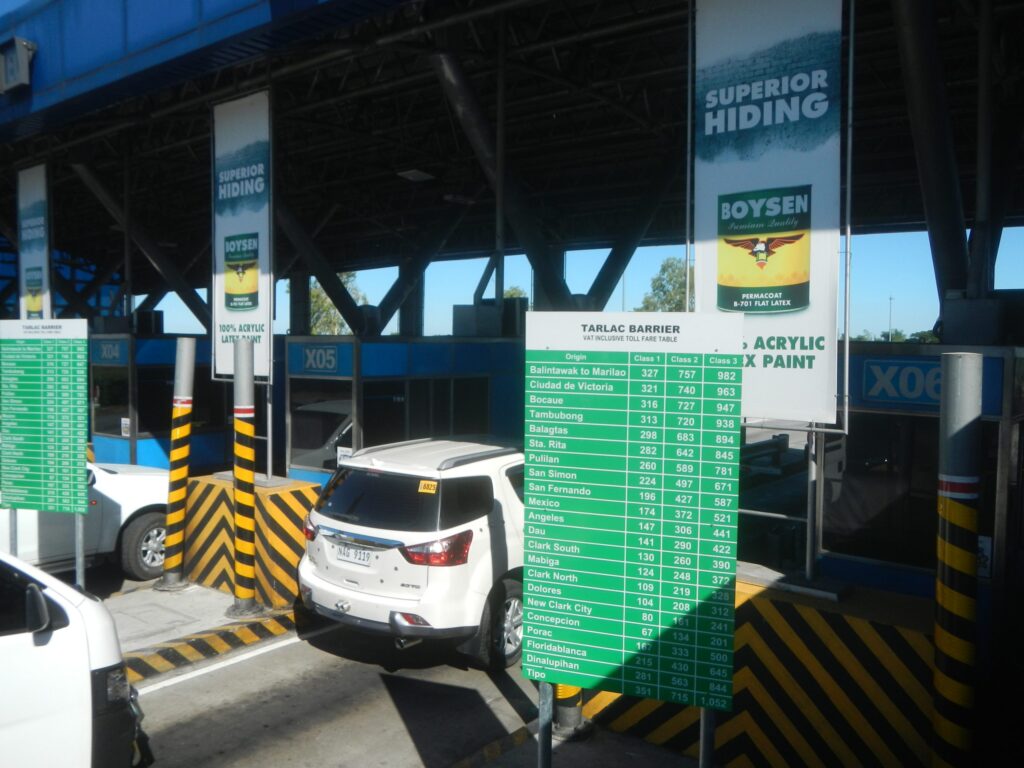
Colombia, April 1, 2026 — cybernewschronicle.com — A devastating accident occurred on April 1, 2026, in the Cundinamarca Department of Colombia, resulting in the loss of five lives and injuring 21 others, with one critically hurt. The incident involved a truck crashing into and setting on fire several vehicles at a tollbooth, highlighting the importance of ensuring safety measures are in place at these critical transportation infrastructure points. As the investigation into the accident unfolds, attention is being drawn to the role of tollbooths in modern transportation systems.
These structures, designed to collect tolls from passing traffic, have been a staple of road networks for decades. Historically, tollbooths were staffed by transportation agents who manually collected the toll, but with advancements in technology, many have been replaced with automatic electronic toll collection systems.
The use of these systems, such as E-ZPass in the Eastern United States, has streamlined the toll collection process, reducing congestion and wait times for commuters. The tollbooth where the accident occurred is part of a larger network of toll roads in Colombia, which are critical to the country’s transportation infrastructure. These roads provide vital connections between urban and rural areas, facilitating the movement of goods and people.
However, the safety of these roads and the tollbooths that line them is of paramount concern. The Colombian government and transportation authorities must prioritize the implementation of robust safety measures, including regular maintenance of roads and tollbooths, as well as the enforcement of traffic laws and regulations.
The accident also highlights the need for a shift towards cleaner, more sustainable transportation options. As the world continues to urbanize and populations grow, the demand for energy and transportation will only increase. Investing in renewable energy sources, such as solar and wind power, can help reduce our reliance on fossil fuels and promote energy security.
By transitioning to cleaner transportation options, such as electric or hybrid vehicles, we can also reduce the environmental impact of our transportation systems. This, in turn, can help create a cleaner, healthier planet for future generations. As the people of Colombia come to terms with the tragic loss of life and injury caused by the accident, there is a growing recognition of the need for a more sustainable and safe transportation system.
The Colombian government has an opportunity to re-evaluate its transportation infrastructure and prioritize the development of cleaner, more efficient systems. This could involve investing in electric vehicle charging infrastructure, promoting the use of public transportation, and implementing smart traffic management systems to reduce congestion and minimize the risk of accidents.
The accident in Colombia serves as a stark reminder of the importance of this goal, and the need for collective action to achieve it.




