
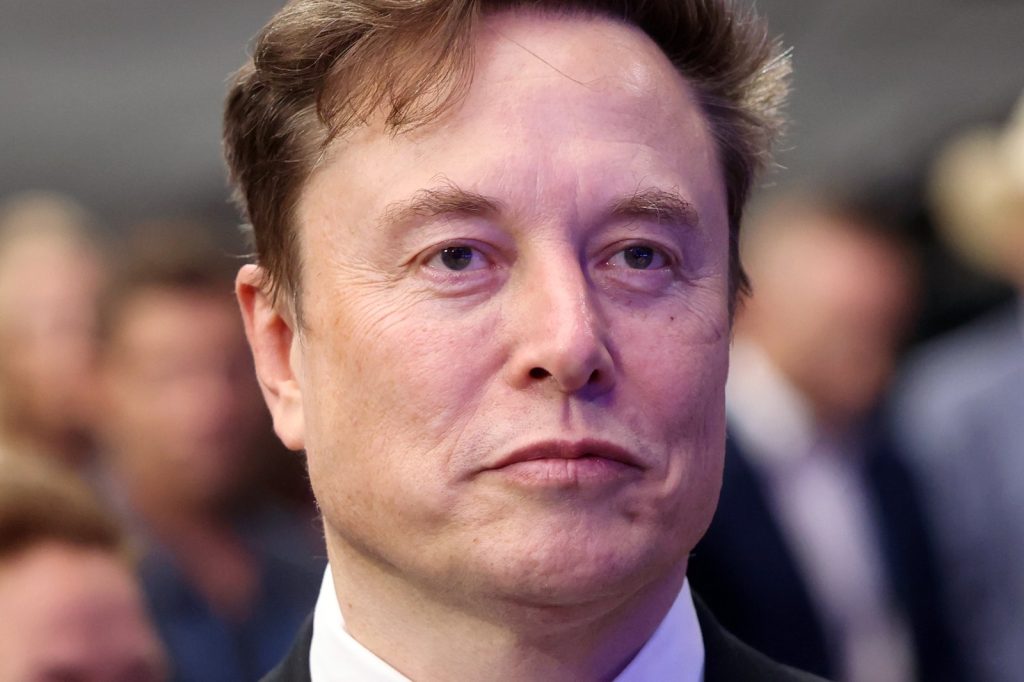
Washington, August 21 — US President Donald Trump has reportedly rejected Ukraine’s request to use Starlink technology for directing drone strikes against Russian military targets within Russia, according to the Financial Times, which cited people familiar with the matter. The appeal was made during a late-July White House meeting where Ukrainian President Volodymyr Zelensky asked Trump to intervene with Elon Musk, the owner of SpaceX, the company that operates the Starlink satellite network.
Zelensky’s aim was for Ukrainian long-range drones to leverage Starlink’s satellite network to more accurately target Russian military sites, particularly mobile ballistic missile launchers and related infrastructure located up to 200 kilometers from Ukraine’s border. The request is part of a broader strategy to reduce Russia’s ability to launch ballistic missiles at Kyiv and other Ukrainian cities, while also preserving Ukraine’s limited supply of Patriot air-defense interceptors.
Officials confirmed that Trump considered the proposal but made no public commitment to support it, and the decision has now been finalized. Notably, Elon Musk has already taken steps to block Starlink from being used for strikes within Russia, signaling a direct refusal to grant Ukraine permission for this application. This move highlights the strategic tensions surrounding the use of commercial technology in military operations, particularly as satellite networks become critical to modern conflict dynamics.
Technological and Geopolitical Implications
Starlink’s role in the conflict underscores a growing intersection between civilian technology and warfare. The satellite network, designed for global internet access, has been repurposed by both sides in the war, raising questions about its dual-use nature. Musk’s explicit refusal to enable targeting within Russia suggests concerns about escalating violence or violating international norms governing space-based systems.
Analysts note that such decisions reflect a delicate balance between technological advancement and the risks of militarizing infrastructure originally intended for peaceful purposes. For Ukraine, the rejection represents a setback in efforts to modernize its defense capabilities amid dwindling Western aid.
The Financial Times report did not specify whether Musk’s actions were unilateral or coordinated with US officials. However, the fact that Trump’s administration did not endorse the use of Starlink for strikes indicates a cautious approach to escalating technological involvement in the conflict. This aligns with broader US policy discussions about the ethical and strategic boundaries of supplying advanced tools to warring parties.
Zelensky’s appeal, meanwhile, reflects Ukraine’s reliance on innovative solutions to counter Russia’s military adaptations, such as its growing arsenal of ballistic missiles and long-range strike capabilities.
Context and Consequences
The decision comes amid a period of heightened geopolitical strain, with the US and its allies navigating complex relationships with both Ukraine and Russia. While the US has provided significant military aid to Ukraine, the rejection of Starlink’s use for strikes suggests a prioritization of limiting direct confrontation over technological escalation. This stance may also stem from Musk’s public stance against weaponizing Starlink, which has drawn criticism from some Ukrainian officials who argue the technology could still be used for reconnaissance or indirect targeting.
The implications extend beyond the immediate conflict. As satellite networks and other interactive entertainment-derived technologies become increasingly integrated into military operations, the potential for unintended consequences grows.
Experts warn that the line between civilian and military use of such tools is porous, raising ethical and legal questions about accountability and escalation risks. For now, the rejection of Starlink’s military application by both Musk and Trump underscores the fragile consensus around regulating technology in warfare. The news has not yet been publicly commented on by Musk or Trump, though both have been vocal about their roles in the conflict.
Musk has previously emphasized his preference for Starlink to remain a civilian service, while Trump has framed his approach to Ukraine as focused on “strategic patience.” The lack of official statements leaves room for speculation, but the Financial Times’ reporting provides a clear record of the decision’s parameters. As the conflict continues, such technological decisions will likely continue to shape its trajectory, even as the human and material costs remain profound.
Sources
{“@context”: “https://schema.org”, “@type”: “NewsArticle”, “headline”: “Security Concerns Surround Starlink’s Use in Military Targeting”, “description”: “Washington, August 21 — US President Donald Trump has reportedly rejected Ukraine’s request to use Starlink technology for directing drone strikes against Russian military targets…”, “datePublished”: “2026-08-21T09:30:00+00:00”, “author”: {“@type”: “Person”, “name”: “Dmitry Volkov”}, “publisher”: {“@type”: “Organization”, “name”: “InfoPulse Today”, “url”: “https://newsfeed.infopulsetoday.com/”}, “citation”: [{“@type”: “CreativeWork”, “url”: “https://en.wikipedia.org/wiki/Interactive_Entertainment”}]}




