
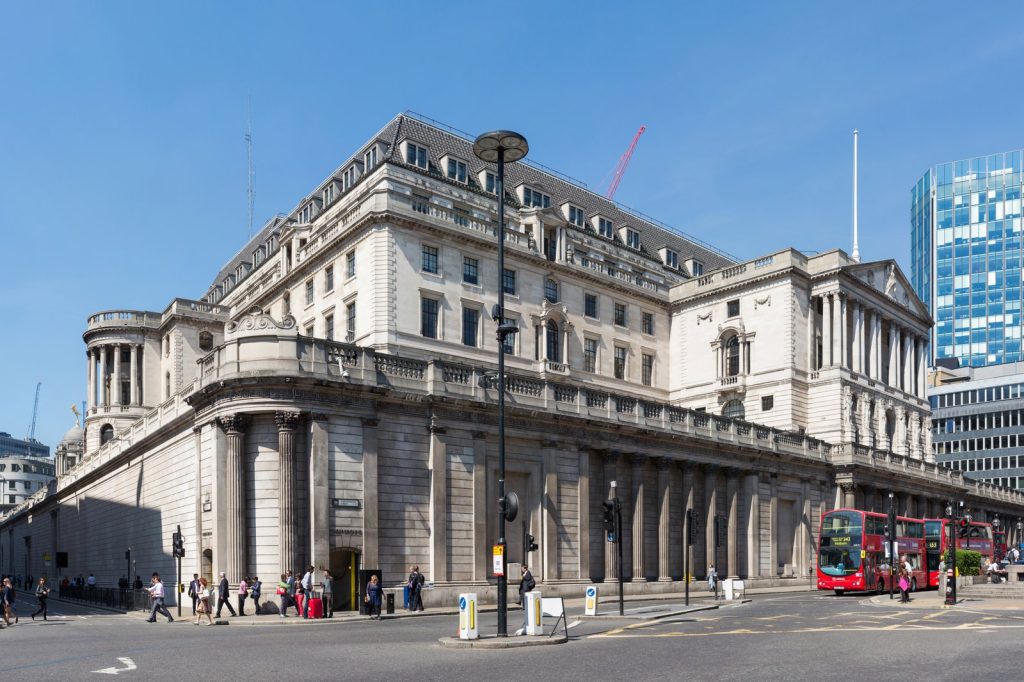
A contingency audio stream intended for Governor Mark Carney’s December 23 press briefing was intercepted, allowing high‑frequency traders to hear the remarks before the official live broadcast. The breach, which involved a third‑party supplier that provides the backup service, gave hedge funds a possible edge in trading the pound and UK gilts. The Bank of England confirmed that the “back‑up communications system got hijacked, allowing the audio to be shared illegitimately.” The unauthorized distribution occurred after the audio was recorded but before the scheduled public transmission, turning a safeguard meant for technical failure into a source of early market information.
Because Carney’s statements are closely watched for clues about monetary policy, any premature access can affect currency and bond markets. Traders equipped with algorithms that execute orders in fractions of a second can act on the leaked content, buying or selling before the broader market reacts.
Such front‑running can generate profits from the minute price movements that follow the governor’s comments. In response, the Bank has barred the unnamed supplier from future press‑conference support and has referred the incident to the Financial Conduct Authority (FCA) for a formal investigation. The FCA will examine how the supplier’s security controls failed and whether regulatory action is warranted. The episode highlights a long‑standing concern in financial markets: information asymmetry.
While breaches of public websites or journalist feeds have occurred before, this case is distinct because it stemmed from an internal contingency system rather than an external source. The backup feed was not intended for public consumption; it was a technical redundancy designed to ensure the message could be delivered if the primary video link failed.
Regulators and market participants are now questioning the robustness of similar safeguards. The Bank is expected to review its entire communications architecture, and other central banks are likely to scrutinize their own backup arrangements. The outcome of the FCA’s probe could set a precedent for handling insider‑type leaks that originate from a central bank’s own infrastructure.
Although the Bank has not disclosed the identity of the supplier, the decision to exclude it from future engagements signals a swift, albeit limited, remedial step. The press conference proceeded as planned, the audio eventually reached the public, and markets adjusted accordingly.
However, the incident leaves open broader issues about third‑party risk and the vulnerability of any system that transmits sensitive information, even when it is meant solely as a fallback. As the FCA conducts its inquiry, stakeholders will be watching for answers to questions such as: How many backup channels exist across the financial sector? What safeguards can prevent similar leaks?
And what penalties, if any, will be imposed on the responsible party? The findings may shape the way central banks communicate for years to come.
{“@context”: “https://schema.org”, “@type”: “NewsArticle”, “headline”: “Hackers Breach Bank of England’s Audio Feed for Profit Advantage”, “description”: “A contingency audio stream intended for Governor Mark Carney’s December 23 press briefing was intercepted, allowing high‑frequency traders to hear the remarks b”, “datePublished”: “2026-06-24T09:30:00+00:00”, “author”: {“@type”: “Person”, “name”: “Reza Karimi”}, “publisher”: {“@type”: “Organization”, “name”: “InfoPulse Today”, “url”: “https://newsfeed.infopulsetoday.com/”}, “image”: “https://infopulsetoday.com/wp-content/uploads/sites/3/rehomed/s23/2026/05/bank-of-england-audio-feed-hacked-for-traders-a-cat.jpg”}




