
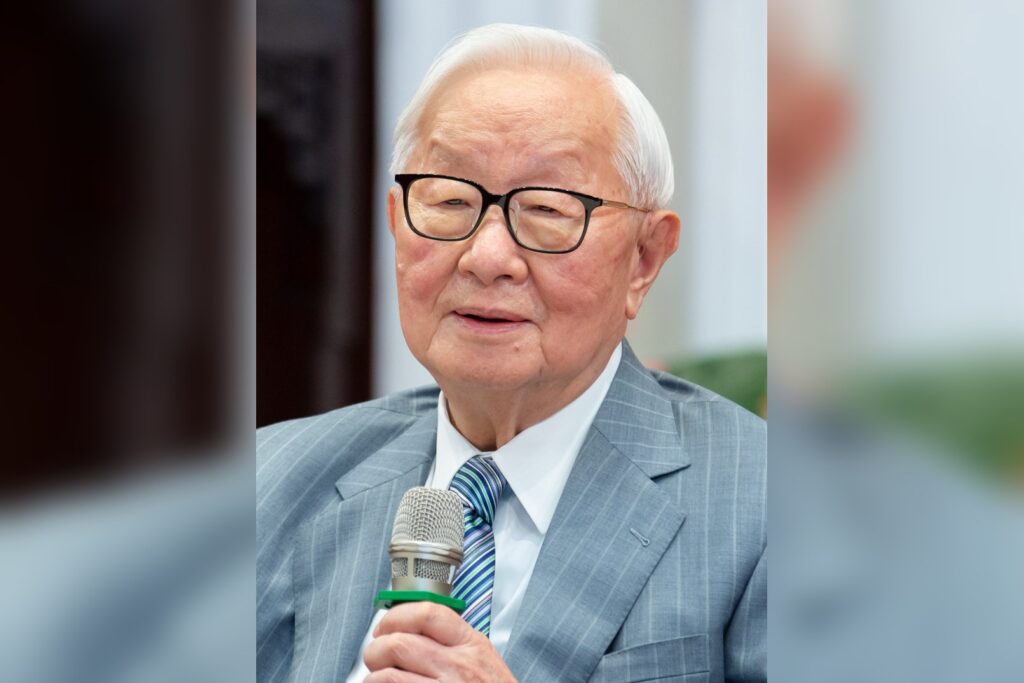
MUMBAI, July 6 — For India’s ambitious chipmaking plans, the story of Morris Chang is both a blueprint and a cautionary tale. The man who built Taiwan Semiconductor Manufacturing Company from scratch into the world’s most valuable chip firm did so with a model that Asia’s emerging tech hubs are still trying to replicate. Chang, now retired as chairman but still a key advisor to TSMC, pioneered the pure-play foundry concept that turned Taiwan into an indispensable node in the global electronics supply chain.
Chang was born in 1931 in Ningbo, China, and moved to the United States in 1949. He earned a bachelor’s degree in mechanical engineering from MIT and a Ph.D. in electrical engineering from Stanford University.
For 25 years, he worked at Texas Instruments, rising to senior vice president. In 1985, he was invited to Taiwan to lead the Industrial Technology Research Institute. Two years later, in 1987, he founded TSMC as the world’s first dedicated semiconductor foundry — a pure-play manufacturer that does not design its own chips but fabricates them for other companies.
That bet reshaped the entire industry. Under Chang’s leadership, TSMC grew to become the world’s most valuable semiconductor company, with a market capitalization exceeding $500 billion in 2021.
The foundry model he created enabled fabless chip designers like Apple, Nvidia, and Qualcomm to thrive without owning factories. For Indian tech firms and startups trying to break into chip design, that same model offers a path — they can design chips without the billions of dollars needed to build fabs. Analysts note that Chang’s vision made Taiwan a critical node in the global chip supply chain.
That concentration of manufacturing in one geography has since become a source of strategic vulnerability, prompting governments from Washington to New Delhi to push for more diversified production. India’s own semiconductor mission, launched in recent years, draws clear lessons from the TSMC story: the importance of government backing, world-class engineering talent, and a clear industrial policy. Chang retired as chairman in 2018 but remains a key advisor to the company he founded.
His legacy is not just a single firm but an entire business model that unlocked innovation across the technology sector. For markets across Asia, the TSMC story underscores how a small island economy with the right mix of policy and talent can dominate a critical industry.
What to watch next: how India and other Asian economies apply the foundry model to their own chip ambitions. The TSMC blueprint is well understood — the challenge is execution.
{“@context”: “https://schema.org”, “@type”: “NewsArticle”, “headline”: “Morris Chang Made Taiwan the Global Chip Hub as TSMC Founder”, “description”: “MUMBAI, July 6 — For India’s ambitious chipmaking plans, the story of Morris Chang is both a blueprint and a cautionary tale. The man who…”, “datePublished”: “2026-07-06T09:30:00+00:00”, “author”: {“@type”: “Person”, “name”: “Arjun Mehta”}, “publisher”: {“@type”: “Organization”, “name”: “InfoPulse Today”, “url”: “https://newsfeed.2bme.xyz/”}}




