
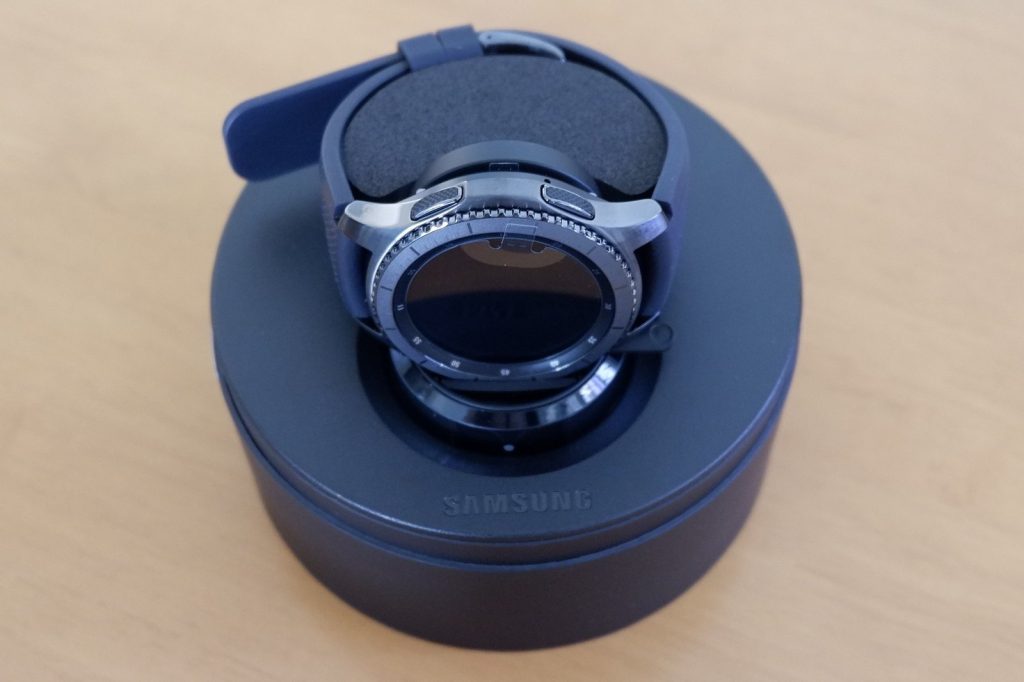
SAN FRANCISCO, July 16 — The refrigerator that knows you are out of milk. The glasses that whisper directions. The watch that tracks your heart without you ever tapping a screen.
This is the world of ubiquitous computing, and it is already here, woven into the fabric of daily life in ways most of us barely notice. Also called ambient intelligence or pervasive computing, the concept has been a goal of software engineers and computer scientists for decades.
The idea is simple to state but enormously complex to build: make computing appear seamlessly anytime and everywhere. Unlike the desktop computer, which demands your focused attention, ubiquitous computing implies use on any device, in any location, and in any format. Users interact with computers that can exist in many forms — laptops, tablets, smartphones, and terminals embedded in everyday objects such as refrigerators or glasses.
Behind the breakthrough
The underlying technologies that make this possible read like a laundry list of modern innovation: the Internet, advanced middleware, kernels, operating systems, mobile codes, sensors, microprocessors, new I/O and user interfaces, computer networks, mobile protocols, global navigational systems, and new materials. The paradigm is also described as pervasive computing, ambient intelligence, or ‘everyware.’ Related terms include physical computing, the Internet of Things, haptic computing, and ‘things that think.’ A taxonomy of properties has been proposed to describe different kinds of ubiquitous systems and applications, rather than a single definition.
Key themes include distributed systems, mobile computing, and sensor networks. But for all the technical jargon, the human implications are what deserve attention.
The always-on question
This story focuses on how always-on sensors in wearables and other devices enable passive data collection without explicit user intent. That is a quiet but profound shift. When your smartwatch logs your sleep patterns or your smart speaker notes the ambient noise in your kitchen, you did not actively tell it to do that work.
The data collection happens without explicit user intent. That raises questions about privacy and data governance.
Who owns the information your refrigerator collects about your eating habits? What happens to the biometric data your glasses gather about where you look and for how long? These are not abstract concerns for technologists to debate in isolation.
They are questions that touch every person who carries a smartphone, wears a fitness tracker, or lives in a home with connected appliances. The vision of ubiquitous computing promises convenience and insight.
But the always-on sensors that make that vision real also demand a conversation about boundaries. That conversation is only beginning.
Sources
{“@context”: “https://schema.org”, “@type”: “NewsArticle”, “headline”: “Ambient Sensors Enable Passive Data Collection Without User Intent”, “description”: “SAN FRANCISCO, July 16 — The refrigerator that knows you are out of milk. The glasses that whisper directions. The watch that tracks your heart…”, “datePublished”: “2026-07-16T09:30:00+00:00”, “author”: {“@type”: “Person”, “name”: “James Roberto”}, “publisher”: {“@type”: “Organization”, “name”: “InfoPulse Today”, “url”: “https://newsfeed.infopulsetoday.com/”}, “citation”: [{“@type”: “CreativeWork”, “url”: “https://en.wikipedia.org/wiki/Ubiquitous_computing”}]}




