
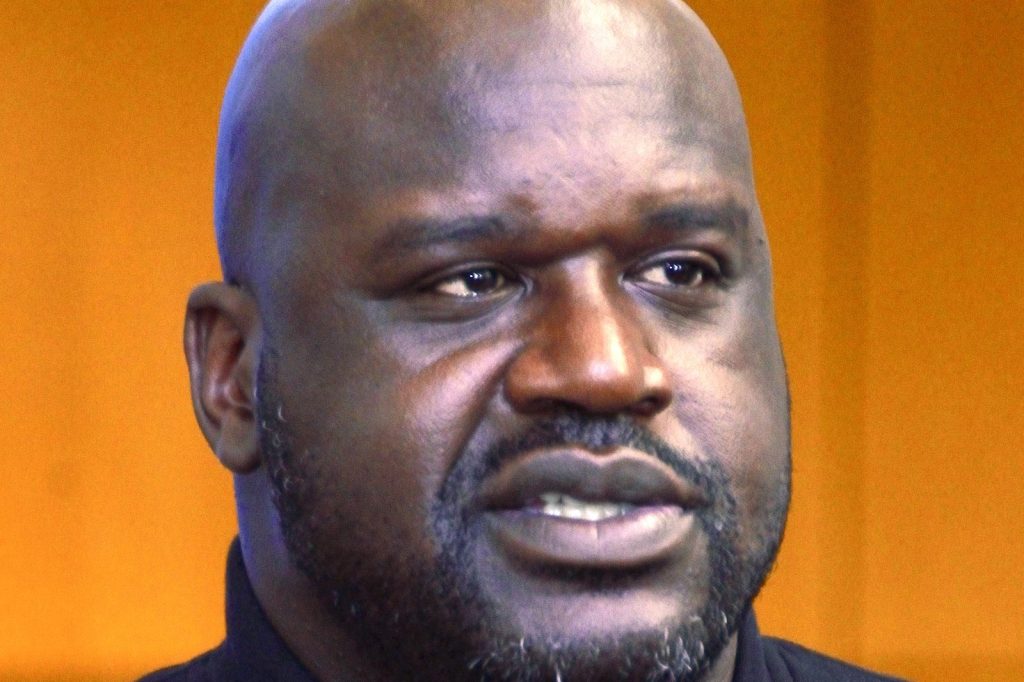
NEW YORK, July 6 — The scene played out in real time at a Walmart checkout counter: a customer attempting to make an unusually large purchase, the card reader flashing a decline, and a moment of awkward confusion. For most people, a declined credit card means a quick call to the bank. For retired NBA legend Shaquille O’Neal, it meant a $70,000 grocery bill that briefly went nowhere.
Credit card issuers, including American Express, rely on automated fraud detection systems that analyze transaction patterns in milliseconds. An unusually large or out-of-character purchase — especially at a retailer not frequently visited by the cardholder — can trigger an automatic decline as a security measure. The mechanism is designed to protect cardholders from theft, but it can also inconvenience legitimate users.
In O’Neal’s case, his $70,000 Walmart purchase was flagged as suspicious, leading to a temporary decline. The system saw the eye-popping total and the retailer, and made a split-second judgment: this doesn’t look right.
By nightfall, the story had ricocheted across social media, with residents describing the moment the seven-foot-one-inch Hall of Famer found himself on the wrong side of a fraud alert. O’Neal later posted about the incident, making light of the situation but also highlighting a friction point many cardholders know firsthand.
Cardholders typically resolve such issues by contacting the issuer via phone or mobile app to confirm the transaction. The process is straightforward — a verification of identity, a confirmation that yes, you really did just spend tens of thousands of dollars on groceries and electronics — and the card is re-authorized.
The incident underscores a broader tension in consumer finance. Fraud detection systems have become more aggressive in recent years, as card issuers race to curb losses from unauthorized transactions. But that vigilance comes with a trade-off: legitimate, high-value purchases can get caught in the net.
For O’Neal, the inconvenience was brief. The purchase went through after he confirmed the transaction. But the moment itself — a billionaire athlete temporarily blocked from spending his own money — offers a vivid snapshot of how automated security systems work, and sometimes misfire, in the everyday economy.
What to watch next: whether card issuers will refine their algorithms to better distinguish between genuine large purchases — like a celebrity loading up on holiday supplies — and actual fraud. For now, the system remains programmed to err on the side of caution, even if that means the occasional awkward moment at the register.
{“@context”: “https://schema.org”, “@type”: “NewsArticle”, “headline”: “How Credit Card Fraud Detection Blocks Large Purchases”, “description”: “NEW YORK, July 6 — The scene played out in real time at a Walmart checkout counter: a customer attempting to make an unusually large…”, “datePublished”: “2026-07-06T09:30:00+00:00”, “author”: {“@type”: “Person”, “name”: “Isabella Moore”}, “publisher”: {“@type”: “Organization”, “name”: “InfoPulse Today”, “url”: “https://newsfeed.infopulsetoday.com/”}}




