
Technical Sessions Target Battery Fires and Arc Faults
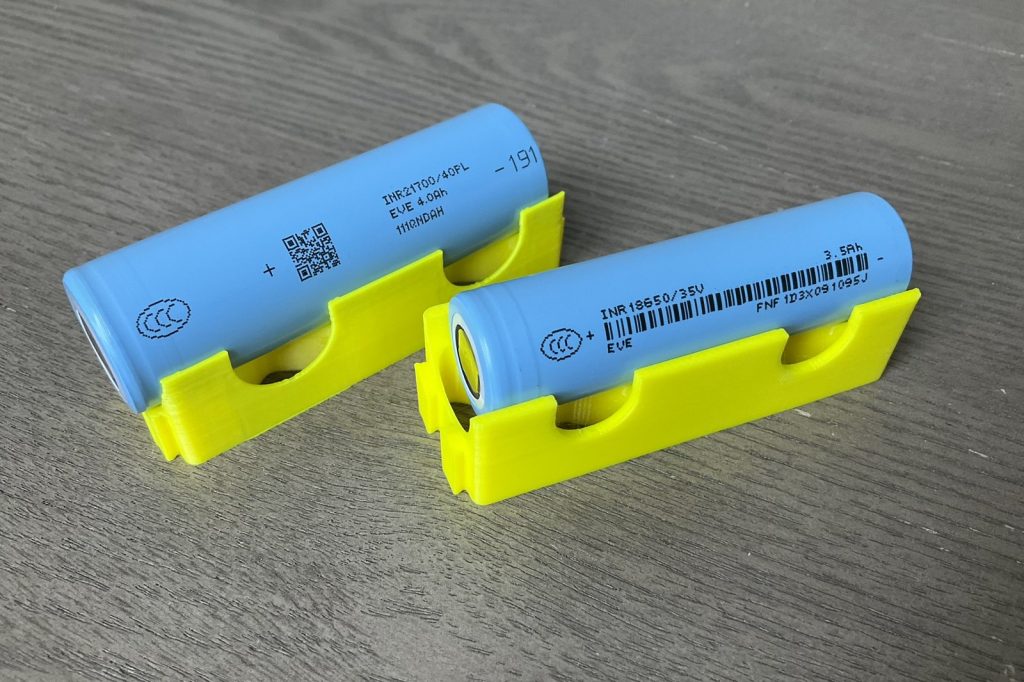
One major session examined thermal runaway in lithium-ion batteries, the chain reaction in which a single failing cell can cascade into a fire. The practical consequence for homeowners is that newer battery systems are being engineered with improved thermal management and cell-level fuses, but the industry has yet to standardize these features across all products. Another panel focused on arc-fault detection in solar arrays, where a damaged wire can create a spark across an air gap. Modern inverters include arc-fault circuit interrupters, but the Summit highlighted that not all detection systems perform equally in real-world field conditions.
Live demonstrations at the event showcased new fire-suppression systems designed specifically for large-scale battery installations. These systems function like sprinkler systems but are tailored to the chemistry of lithium-ion fires. The demonstrations countered the common assumption that water cannot be used on electrical fires, showing that water-based suppression can be effective when applied correctly to battery fires. The practical upshot for ordinary readers: if you have solar panels on your roof or a battery in your garage, the industry is working to make those systems safer, and the standards under discussion will eventually shape the equipment your installer uses.
A History of Safety Lagging Behind Growth
The solar industry’s trajectory traces to the late 1970s, when federal tax credits first encouraged homeowners to install small photovoltaic arrays. By the 1990s, utility-scale projects emerged, but safety standards trailed behind rapid expansion. Early systems relied on borrowed electrical codes meant for rooftop wiring rather than on-site power generation. As panels became cheaper and more common in the 2000s, scattered reports of fires traced to faulty inverters and arcing wires appeared. The first national push for dedicated standards came in 2014, when the National Fire Protection Association added a chapter on solar photovoltaic systems to its electrical code, marking safety’s shift from an afterthought to a recognized concern.
Energy storage followed a similar pattern. Utilities had stored electricity in large hydropower reservoirs for decades, but small lithium-ion batteries only entered homes in meaningful numbers after 2010. Early installations often used off-the-shelf consumer batteries not designed for daily cycling. Thermal runaway incidents in grid-scale projects during the mid-2010s drew attention to the need for specialized safety measures. By 2019, major code bodies had begun drafting rules specific to battery installations, yet many local inspectors still lacked training to evaluate them. Photovoltaic and energy storage systems share a core challenge: electricity intended to flow outward can instead turn inward when insulation fails or components overheat. The Summit crystallizes this shared problem by bringing together equipment engineers, inspectors, and firefighters who respond when safeguards fail.
The Trump administration has emphasized energy security and domestic manufacturing, and the Summit reflected that framing. Speakers discussed the importance of making American-made components that meet rigorous safety standards rather than relying on cheaper imports with less oversight. Organizers said the goal is to produce a set of industry best practices by the end of the year. That document, if widely adopted, could influence building codes and insurance premiums for solar and storage installations. What makes this moment significant is the scale of change under way. Residential solar installations have shifted from a niche choice to a common sight on suburban roofs. Behind-the-meter batteries, once rare, now sit in many new homes. As these systems age and multiply, the margin for error shrinks. A single undetected arc or a slow thermal drift can cascade into a costly repair or a dangerous fire. The Summit matters because it is where the industry tries to agree on rules that will protect property and lives long after the last panel is bolted into place.




