
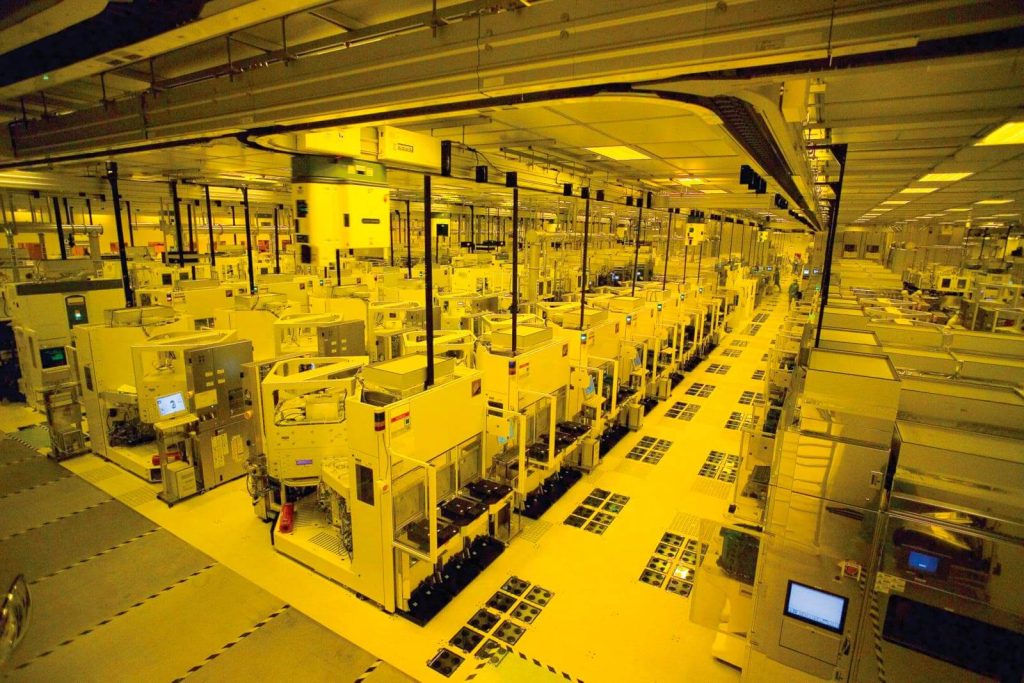
Deep inside the microchips that power the most advanced artificial intelligence models are components so specialized that only a handful of factories on earth can make them. Most of those factories are in China. That is the vulnerability the United States is now trying to close — with a new international agreement called Pax Silica.
Announced in Washington on June 25, the accord targets the supply chain for essential parts used in high-end computer chips. These are not the processors in a laptop.
These are the chips that train and run cutting-edge AI models. The kind of hardware that defense analysts and tech executives alike describe as a strategic asset. The kind the U.S. currently depends on China to produce.
The Pax Silica accord is a direct response to that dependence. The goal, as laid out by the administration, is to shore up supplies of those components.
To make the production chain more stable. More secure. Less vulnerable to disruption from a single country that has already shown it is willing to use trade as a weapon.
What that means in practice is a coordinated push — between the U.S. and allied nations — to diversify where these parts are made. To build up alternative manufacturing capacity outside China. To lock in supply lines that cannot be cut off by a political decision in Beijing.
The stakes are concrete. Without a steady supply of these components, the development of advanced AI models slows.
Stops. The U.S. has poured billions into AI research, into training models, into building a domestic tech sector that can compete globally. All of that investment sits on a foundation made of parts that come from Chinese factories.
The Pax Silica accord is an attempt to replace that foundation with something the U.S. controls. CBS News coordinating producer Richard Escobedo has reported on the implications of the accord.
The move did not happen in a vacuum. The lead-up involved careful planning and coordination among multiple government agencies and allied governments. It is not a sudden reaction.
It is a deliberate, long-term strategy to reduce a risk that has been building for years. For those involved in AI development inside the United States, the accord is a crucial step. It addresses a weakness that has been obvious to industry insiders but hard to fix.
You cannot simply order a factory built overnight. The supply chain for advanced chip components is complex, expensive, and takes years to establish.
Pax Silica is a framework for doing that work — for creating a more diverse and secure environment for AI production. The accord does not promise immediate results. It does not claim to eliminate reliance on Chinese supply chains overnight.
What it does is set a direction. It signals that the U.S. sees this as a priority.
It puts the weight of international diplomacy behind an industrial problem. What unfolds next will determine whether the accord delivers on its promise. Whether allied nations follow through.
Whether new factories get built. Whether the supply of essential components actually becomes more stable. The plan is in place.
The work is just beginning.




