
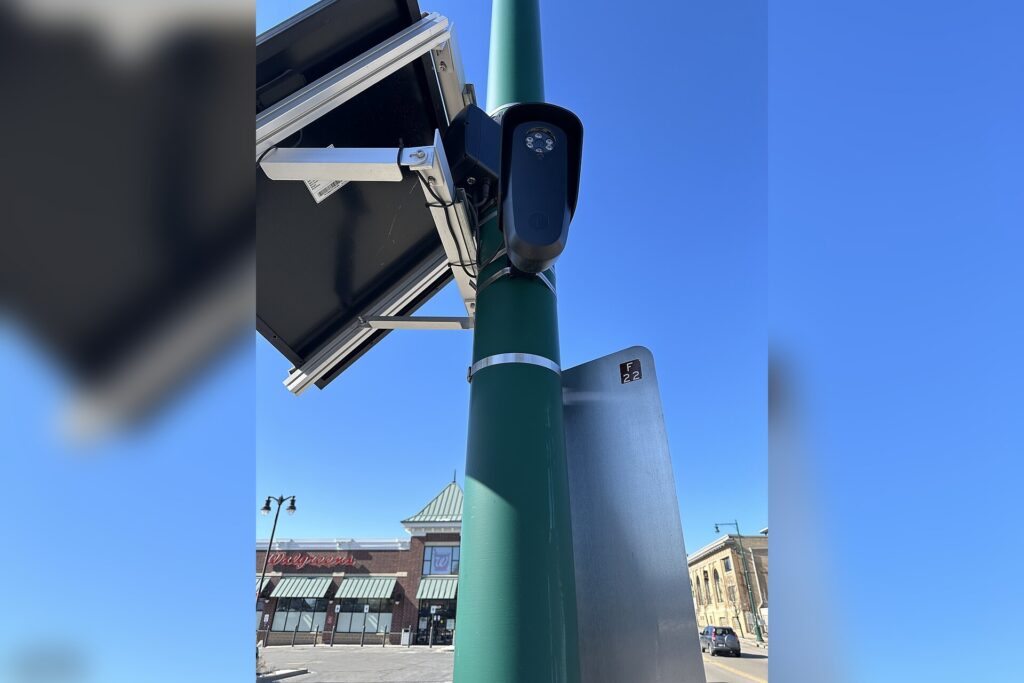
ATLANTA, September 17 — Flock Safety, the Atlanta-based maker of automated licence plate recognition cameras, says it is investigating a breach in which hackers gained unauthorised access to one of its cameras or its associated data, an incident that has exposed details of how the system stores, shares and safeguards the information it collects. The company has not publicly disclosed the full scope of the breach.
What is known is that the intrusion revealed operational detail about the platform itself — the sort of material that matters to anyone trying to understand how a national network of plate-reading cameras actually works under the hood.
What the cameras do
Flock Safety was founded in 2017 and sells its cameras to law enforcement agencies, homeowners associations and businesses across the United States. The flagship product, the Falcon, uses machine learning to identify vehicles by make, model, colour and plate, and can alert officers in real time when a plate matches a hot list of stolen vehicles or wanted persons. Participating agencies can query a searchable network and share data across jurisdictional lines — the arrangement critics describe as a de facto national surveillance network.
By the company’s own account, more than 5,000 law enforcement agencies in over 40 states were using the technology as of 2024. Flock has raised more than $380 million in venture funding and reached a valuation of $7.5 billion in 2024.
Its cameras are also deployed by private entities, with partnerships spanning more than 1,000 homeowners associations — a commercial footprint that raises its own questions about who oversees the data once it leaves a police evidence locker.
Privacy scrutiny and the limits of policy
The security questions are not new. In 2024, the Electronic Frontier Foundation and other civil liberties groups published investigations showing that some police departments used Flock cameras to track vehicles for immigration enforcement and to monitor protests. One case cited involved the San Francisco Police Department using camera data in 2023 to track a person suspected of a minor offence.
Flock has stated that its terms of service prohibit using the system for immigration enforcement or abortion-related investigations. The company has also acknowledged that it cannot fully control how agencies use the data.
In 2023 it introduced an audit tool intended to help departments comply with those usage policies — a recognition, effectively, that policy on paper and practice in the field are two different things. Lawmakers in several states, including California and Virginia, have introduced legislation to regulate how ALPR data is retained and shared. The American Civil Liberties Union has called for a moratorium on the expansion of ALPR systems until privacy safeguards are enacted.
The wider security picture
The Flock incident lands in a year already thick with high-profile data breaches, among them one at National Public Data that exposed billions of records. Networked surveillance infrastructure concentrates risk: a single camera, or the data associated with it, becomes a potential entry point into a system that spans state lines. Flock says it is investigating.
The story is developing and details may change as more information becomes available. What to watch next is whether the company discloses the scope of the intrusion, and whether state legislators who have already filed ALPR bills treat the breach as grounds to move them.




