
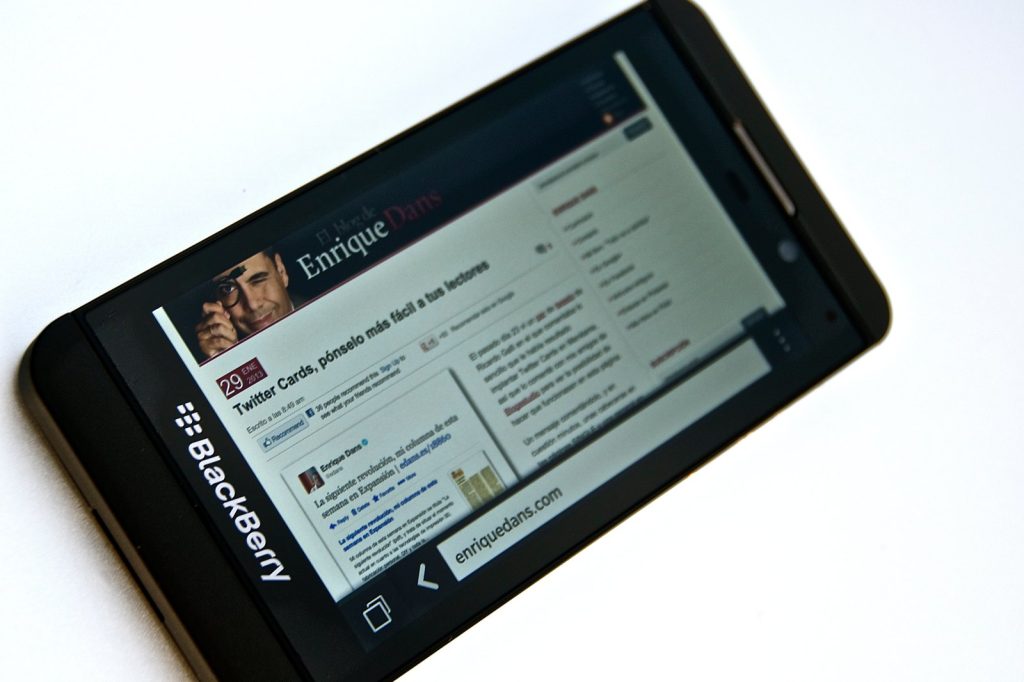
WATERLOO, September 27 — The shift is unmistakable now, and it has a name: the BlackBerry Z10. Launched in early 2013 as the company’s first full-touchscreen flagship, running the BlackBerry 10 OS, the Z10 was positioned as a desperate attempt to reset the brand and compete directly with the iPhone and Android. Public interest shifted fast.
Demand fizzled almost immediately. The damage was brutal.
BlackBerry recorded a pre-tax charge of approximately $934-960 million related to unsold Z10 stock. The disastrous performance forced the company to cut around 4,500 jobs, roughly 40% of its global workforce. The Z10 era marked the end of BlackBerry’s prominence as a smartphone hardware vendor and pushed the company to pivot entirely toward software and licensing.
A pattern of clever hardware, broken promises
BlackBerry is not alone. The Z10 sits in a gallery of handsets that took their makers down with them, and the trend underneath is consistent. Clever design, ambitious marketing and premium engineering cannot alone overcome manufacturing reality, larger rivals’ budgets, or weak demand.
Take Essential’s PH-1. It launched in August 2017 with fanfare thanks to Android co-creator Andy Rubin.
The spec sheet read like a wish list: a 5.71-inch edge-to-edge IPS LCD display with an early camera notch, a titanium frame, a ceramic back, and dual 13MP rear cameras. Real-world performance felt beta-grade. Users flagged camera quality issues and unfinished software.
Essential Products officially ceased operations on February 12, 2020, having delivered only one phone, with nearly a billion dollars in unsold inventory ending the era. Then there is the YotaPhone, a Russian dual-screen experiment that paired a standard color AMOLED display on the front with a persistent E Ink display on the back for low-power notifications and reading.
Combined sales of the first two YotaPhone generations barely reached 75,000 units. Hi-P Electronics initiated an arbitration claim of $126 million over Yota’s manufacturing commitments, eventually settling for $17 million. The company struggled with unpaid amounts and was liquidated in March 2019.
WebOS, Infrared Touch, and a Finnish Bankruptcy
Palm’s Pre was unveiled at CES 2009, introducing the webOS platform with a 3.1-inch 320×480 display, fluid card-based multitasking, gesture controls, and a magnetic Touchstone wireless charging dock. HP acquired Palm for approximately $1.2 billion on April 28, 2010, at $5.70 per share, effectively ending Palm’s independent run. Neonode’s Swedish handset subsidiary filed for bankruptcy on December 9, 2008.
Its N2 phone used an inventive infrared optical touch system on a compact 2-inch 176×220 TFT display, but a voluntary recall in March 2008 for static reception issues cratered sales during launch. Neonode pivoted away from handset manufacturing to license its touch technology.
Finnish courts processed bankruptcy proceedings against Turing Robotic Industries’ manufacturing entity in early 2018, with creditors owed around EUR 1.9 million (about US$2.3 million). The device had been marketed as ultra-secure and ultra-durable, built from a “Liquidmorphium” metal alloy described as stronger than steel, and featured a 5.5-inch display. Watch this space.
The lesson for anyone building hardware today is not that bold ideas fail. It is that the gap between a launch event and a shipping product is where companies die.




