
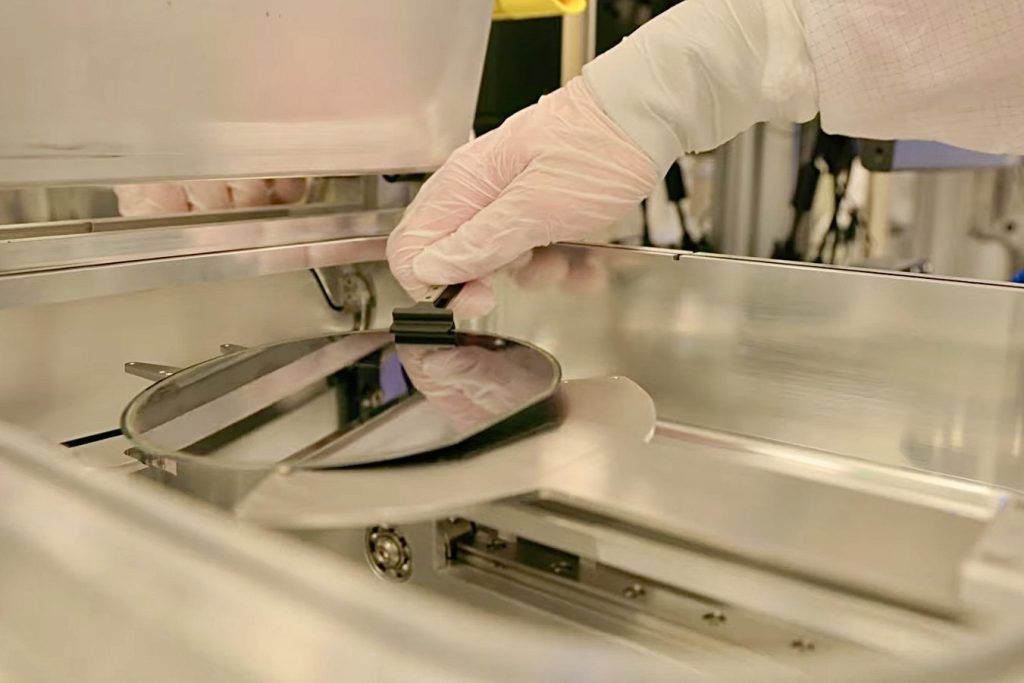
Albany, October 15 — GlobalFoundries has been selected to operate two new semiconductor fabs in New York under a landmark U.S.-Japan initiative enabled by President Donald J. Trump’s trade and investment agreement with Japan. The initiative aims to unlock up to $21 billion in funding for expanding foundational semiconductor production, supporting American jobs, and strengthening domestic supply chains.
The first fab is expected to add approximately 900,000 300mm wafers of annual U.S. manufacturing capacity when fully operational. The project is estimated to create about 27,000 construction and ecosystem jobs and more than 1,000 high-skilled manufacturing jobs in New York’s Capital Region.
Groundbreaking for the first fab is expected later this year. GlobalFoundries, a leading semiconductor manufacturer, will operate both facilities. The selection underscores the company’s role in advancing U.S. domestic chipmaking capacity amid broader efforts to reshore critical technology supply chains.
The initiative reflects a coordinated push between Washington and Tokyo to counter reliance on overseas foundries, particularly in Asia. The $21 billion funding ceiling represents a significant federal commitment to revitalizing American semiconductor infrastructure.
The focus on 300mm wafer output aligns with industry standards for advanced logic and memory chip production. Job projections highlight both short-term construction activity and long-term skilled employment. The 27,000 construction and ecosystem jobs include indirect roles in materials, engineering, and local services tied to the build phase.
The 1,000-plus high-skilled manufacturing positions point to sustained operations requiring expertise in process engineering, equipment maintenance, and cleanroom operations — roles typically filled by technicians and engineers with specialized training. New York’s Capital Region, centered around Albany, has emerged as a growing hub for semiconductor research and development, bolstered by existing partnerships between industry, state agencies, and academic institutions like SUNY Polytechnic Institute. The new fabs would deepen this industrial footprint, potentially attracting further investment in related sectors such as materials science and chip packaging.
As of the sitting U.S. administration, President Donald Trump, Vice President JD Vance, and Secretary of State Marco Rubio oversee the execution of trade and investment agreements that underpin initiatives like this one. The Trump administration has emphasized reshoring critical industries through bilateral deals, framing semiconductor production as both an economic and national security priority.
The initiative’s success will depend on timely disbursement of funds, coordination with state and local authorities, and GlobalFoundries’ ability to meet construction and operational milestones. Delays in permitting, labor availability, or supply chain readiness could affect the projected timelines. Looking ahead, industry observers will watch for formal announcements on site selection within New York, detailed funding breakdowns, and timelines for equipment installation and pilot production.
The second fab’s specifications and expected output remain unspecified in the current announcement, leaving room for further clarification as plans develop. For now, the selection of GlobalFoundries to lead this dual-fab effort marks a concrete step toward expanding U.S. semiconductor manufacturing capacity — one that combines federal industrial policy with private-sector execution in a sector where precision, scale, and timing are everything.




