
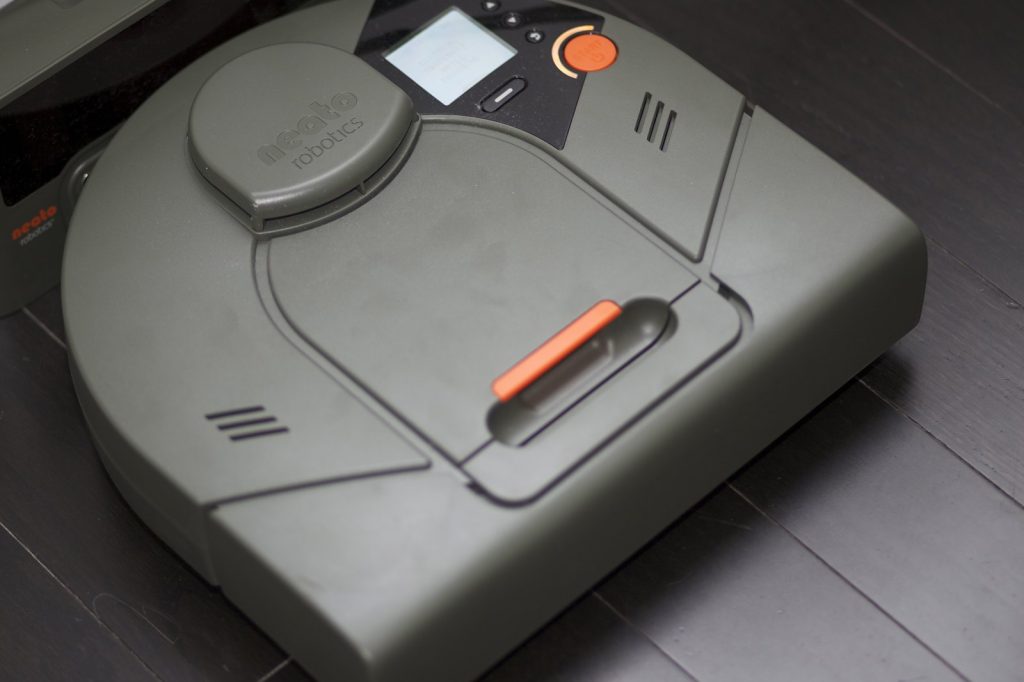
WASHINGTON, Oct 16 Here’s what it means: your smart devices may stop working long before they wear out — and you may not even know it until it’s too late. In early 2023, Neato, a well-known brand of robotic vacuums, was shut down by its parent company, Vorwerk. Three years later, Vorwerk turned off the servers supporting the vacuums’ app and scheduling features, rendering the devices useless.
This is not an isolated case. Google ended support for the first two generations of the Nest Learning Thermostat in October 2025, leaving owners with a thermostat that could still be adjusted manually but lacked the app and remote control.
Think of it like this: you’re buying a car that runs on a specific type of fuel, and then one day, the gas station closes. You still have the car, but it’s no longer functional. That’s the practical upshot for many smart devices today.
In November 2024, the Federal Trade Commission found that 89% of connected products did not disclose how long they would receive software updates. At the same time, Consumer Reports found that only three out of 21 appliance brands provided information on update guarantees.
This lack of transparency and support for smart devices has led to a shift from perpetual ownership to terminal dependency. Consumers are increasingly forced to replace their technology more frequently, ultimately costing more in the long run. The result is a growing concern over the lifecycle of smart products and the long-term value they offer.
What to watch next: as more devices become connected, the need for clear, upfront information about support and update policies will only grow. Consumers, regulators, and manufacturers alike are beginning to take notice — and the conversation is just getting started.
Background and why it matters
The rise of smart technology began in the early 2000s with the introduction of internet-connected devices designed to make daily life more convenient. These products, ranging from home appliances to security systems, were built on the idea that connectivity would enhance functionality and longevity. Early adopters were drawn to the promise of remote control, automation, and seamless integration with other systems. Over time, companies began to rely more heavily on cloud-based services and proprietary software to power these devices, creating a dependency that was not always clear to consumers.
Smart technology is a category of consumer electronics that rely on internet connectivity and software updates to maintain their intended functions. These devices often require ongoing support from manufacturers to remain fully operational, a factor that has become increasingly significant as more products enter the market.
The growing reliance on software and cloud services has introduced a new challenge for consumers: the lifespan of a smart device is no longer determined solely by its physical durability. Instead, it is increasingly tied to the continued support of the manufacturer. When companies discontinue services or updates, devices can become obsolete even if they are still physically intact. This has led to a shift in consumer expectations and purchasing behavior, with users now considering not just the initial cost of a product but also its long-term viability.
The issue has sparked discussions among regulators, industry experts, and consumers about the need for clearer information about product lifecycles and support policies. As more households integrate smart devices into their daily routines, the consequences of discontinued support become more pronounced. The financial and practical implications of owning a device that becomes non-functional due to lack of updates are becoming harder to ignore, prompting calls for greater transparency and accountability from manufacturers.




