
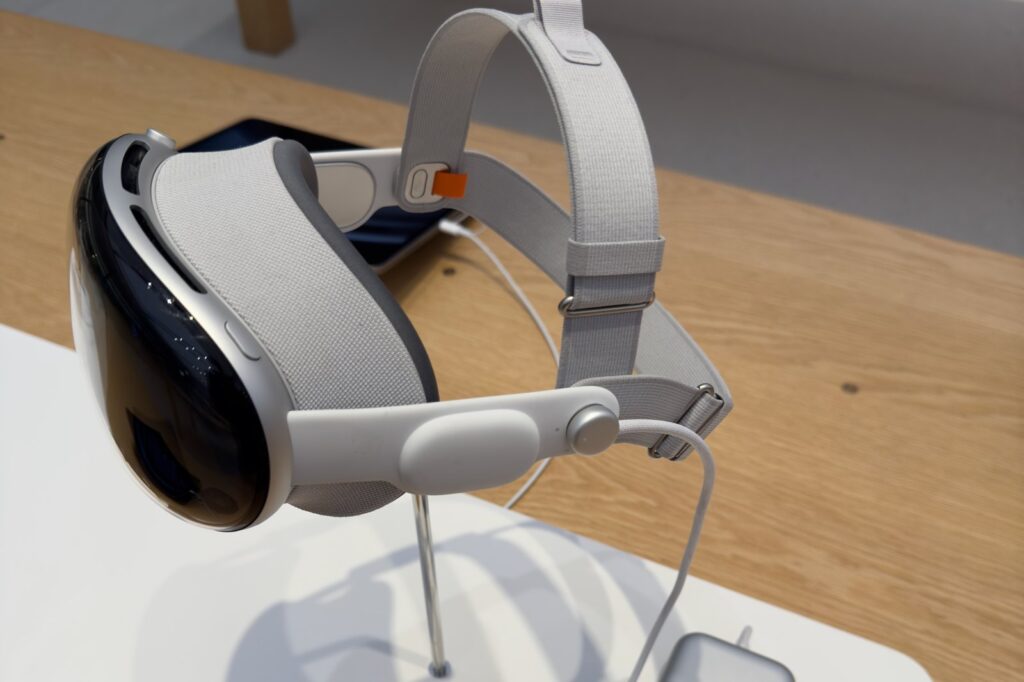
At the WWDC23 keynote on June 5 2023, Apple announced visionOS, an operating system built expressly for the Apple Vision Pro mixed‑reality headset that was unveiled alongside it. The software draws on the core technologies already present in iPadOS, including UIKit, SwiftUI, ARKit and RealityKit, to create a platform aimed at reshaping how people engage with digital content.
By marrying the familiar foundations of iPadOS with mixed‑reality‑specific tools that enable foveated rendering and real‑time interaction, Apple positions visionOS as its first major step into the extended‑reality arena. The fact that the system originates from iPadOS indicates that the company is leveraging its existing mobile‑OS expertise while pushing the boundaries of what XR technology can achieve. One of the hallmark capabilities of visionOS is its support for real‑time interaction.
Through MR‑focused frameworks, users can manipulate virtual objects and environments using gestures, voice commands and other input methods in a manner that feels immediate and natural. Complementing this is foveated rendering, a technique that concentrates graphical processing power on the region of the display where the user’s gaze is directed.
This approach allows for richer, more detailed virtual scenes while lowering the overall computational load on the hardware. The simultaneous reveal of visionOS and the Vision Pro headset represents a significant milestone for Apple, signalling a strong commitment to making an impact in the growing XR market. Although many specifics about day‑to‑day operation remain to be seen, the potential applications span immersive gaming and entertainment, as well as novel forms of education and professional training.
From a technical standpoint, visionOS’s reliance on iPadOS reflects a pragmatic development strategy: building upon proven software layers rather than starting from scratch. The inclusion of ARKit and RealityKit—frameworks that have already powered AR experiences on iPhone and iPad—provides a solid base for creating immersive, interactive content within the visionOS ecosystem.
Looking ahead, several questions remain about how the platform will mature. Developers will need to determine the best practices for crafting apps and experiences tailored to visionOS, and it will be interesting to observe how the resulting offerings compare with those available on other extended‑reality systems. As the software evolves and the hardware and headset receive broader adoption, the creative possibilities are expected to expand.
In summary, visionOS combines the stability and familiarity of iPadOS with cutting‑edge MR technologies to deliver a platform capable of responsive interaction and efficient rendering. Its debut at WWDC23 marks Apple’s entry into the XR space, opening the door to a wide range of future applications that developers and users alike are poised to explore.




