
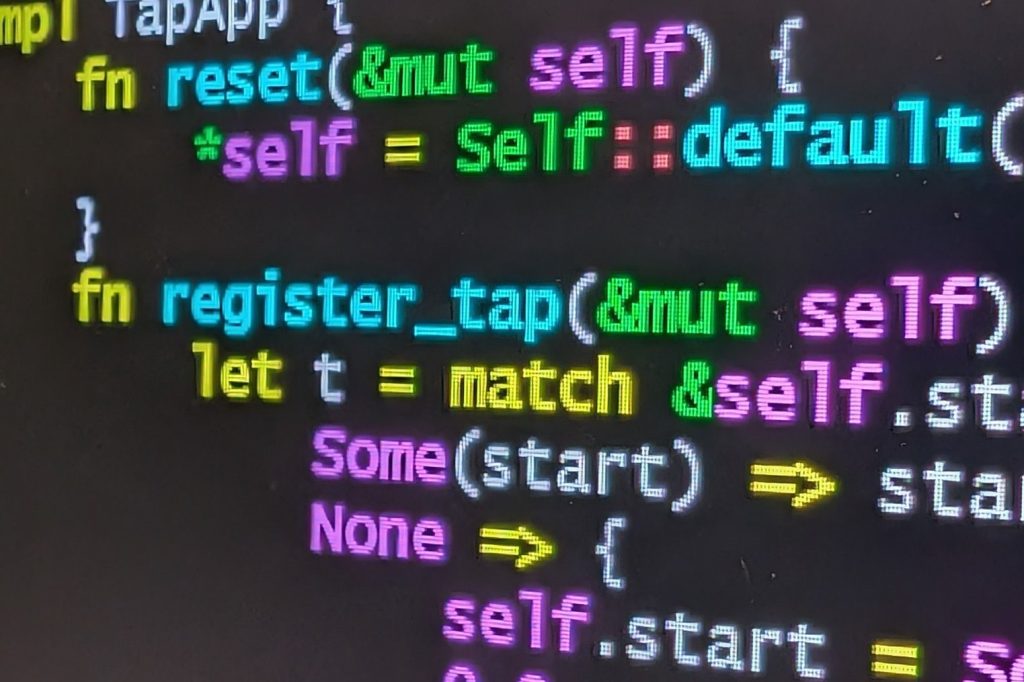
When BlackCat ransomware first emerged in November 2021, it introduced a combination previously unseen in the cybercrime landscape: the Rust programming language paired with a franchise-style business structure. Rust offers speed and presents parsing difficulties for security software. By developing their malware in Rust, BlackCat’s creators equipped affiliates with a tool capable of bypassing defenses that thwarted older operations such as Ryuk or Maze.
However, the true innovation lay in the operational framework. BlackCat functions as ransomware as a service, commonly abbreviated as RaaS.
The core development team writes and updates the code while recruiting affiliates responsible for network breaches, encryption, and extortion. In exchange, developers receive a percentage of every ransom payment. This franchise model includes a brand identity, support infrastructure, and a public relations component in the form of a data leak site.
The data leak site serves as a weapon. When victims refuse payment, BlackCat publishes stolen files online.
While not a novel tactic, the group employed it aggressively to pressure targets, generate public shame, and alarm customers and partners. Access to networks typically comes through purchased credentials rather than direct firewall breaches. BlackCat buys footholds from initial access brokers—specialists who infiltrate networks and sell access to the highest bidder, creating a shadow economy within the cybercrime ecosystem. BlackCat’s targets span multiple sectors.
The group struck Reddit in 2023 and Change Healthcare in 2024. Hundreds of organizations across health care, technology, finance, and government have been affected, with no industry remaining immune.
In early 2024, the U.S. Department of State announced a reward of up to $10 million for information leading to the identification or location of BlackCat’s leaders. This bounty matches the highest rewards offered for certain terrorist leaders, reflecting the seriousness with which authorities now view ransomware operations. The reward has not halted attacks.
BlackCat remains operational because its RaaS model ensures continuity. Even if law enforcement arrests one affiliate, the core operation persists.
New affiliates register, and new access brokers sell credentials. The machine does not depend on any single individual. What makes BlackCat significant is not technical sophistication or destructive capacity, but its business model.
RaaS has lowered the barrier to entry, allowing individuals with funds and malicious intent to purchase ransomware attacks much like buying a fast-food franchise. BlackCat demonstrated that this model functions at scale, prompting other gangs to adopt similar approaches.
The cybercrime ecosystem has transformed. The era of solitary hackers writing code in basements has largely ended, replaced by a supply chain involving developers, access brokers, money launderers, and negotiators. BlackCat represents one central node in this chain.
The State Department reward acknowledges that traditional policing methods struggle against such a structure. Identifying a single leader does not dismantle the network.
The affiliate who encrypted a hospital may never have met the code’s developer. Funds flow through cryptocurrency mixers and shell companies. Attribution remains slow, costly, and often incomplete.
BlackCat’s story continues. The gang has not been dismantled.
No leaders have been publicly identified. The ransomware continues to spread. The reward remains unclaimed.
{“@context”: “https://schema.org”, “@type”: “NewsArticle”, “headline”: “BlackCat ransomware combines Rust code with franchise business model”, “description”: “When BlackCat ransomware first emerged in November 2021, it introduced a combination previously unseen in the cybercrime landscape: the Rust programming languag”, “datePublished”: “2026-06-26T09:30:00+00:00”, “author”: {“@type”: “Person”, “name”: “Noah King”}, “publisher”: {“@type”: “Organization”, “name”: “InfoPulse Today”, “url”: “https://newsfeed.infopulsetoday.com/”}, “image”: “https://americansuntimes.com/wp-content/uploads/sites/19/2026/05/fake-amazon-car-seat-shatters-in-cnn-crash-test-a-cat06.jpg”}




