
The Shift in China’s Digital Fortress
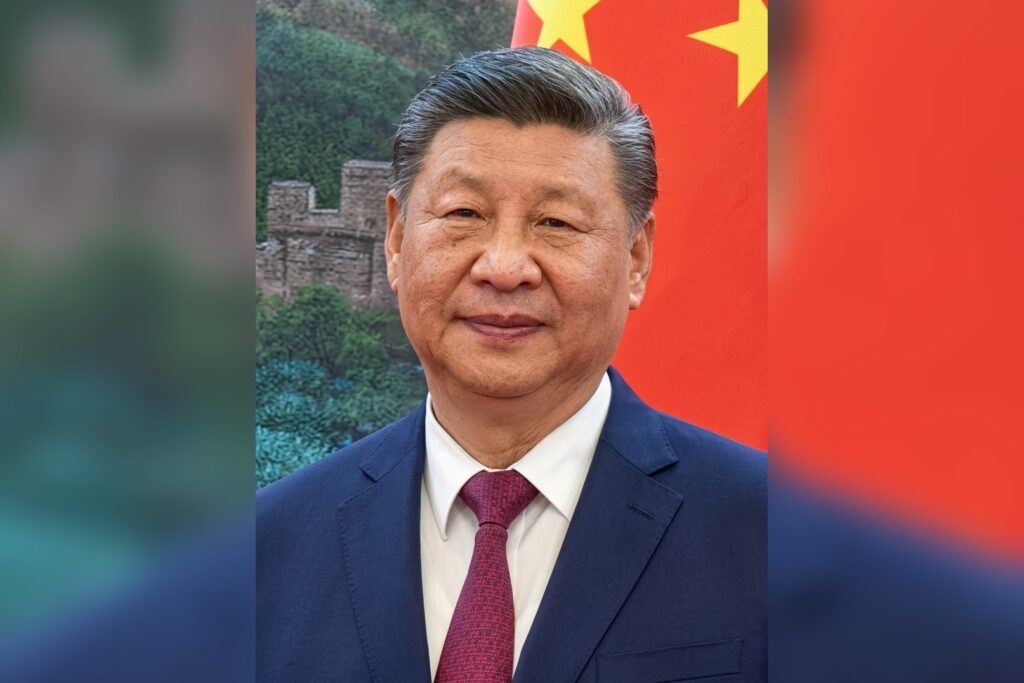
Beijing is quietly reshaping its digital backbone, swapping Microsoft’s Windows 10 China Government Edition for homegrown Linux systems in select government offices. The move, reported by Bloomberg and attributed to China’s Ministry of State Security, signals a broader campaign to assert control over technology infrastructure under President Xi Jinping’s tech sovereignty agenda. At its heart, this isn’t a sudden reaction to a cyberattack.
Officials cited data security concerns as the rationale, though Microsoft has denied any vulnerabilities or breaches in the Windows version. The tech giant told Bloomberg it remains unaware of specific incidents, yet the decision aligns with a long-standing strategy to reduce reliance on foreign software.
This isn’t new: the ZDNET analysis frames it as part of a deliberate, years-long push to substitute foreign tools with domestic alternatives in critical environments.
Linux Takes the Stage
Kylin OS and UOS are the most likely replacements. Both are Chinese-developed operating systems designed to meet local security and sovereignty standards. The shift applies to some government desktops, not all systems, and no timeline has been announced.
This phased approach suggests Beijing is testing the waters, evaluating both technical and political fallout before a full rollout. For those involved, the stakes are clear.
Government employees accustomed to Windows must adapt to unfamiliar interfaces, while IT departments grapple with training and compatibility. The transition, though incremental, underscores a national priority: digital autonomy. The Chinese Linux versions, developed entirely within the country, embody this goal, cutting ties with U.S. tech giants in sensitive sectors.
The move has broader implications. Non-U.S. governments, including in Europe, are similarly distancing themselves from American software, driven by trust and digital sovereignty concerns.
This global trend isn’t just about security; it’s about control. By mandating local software, China aims to ensure its systems remain within its own regulatory and strategic frameworks—a stark contrast to the interconnected, U.S.-centric tech landscape.
Microsoft’s Unmoved Stance
Microsoft has not acknowledged any vulnerability or attack tied to the Windows version in question. Despite this, the company continues to support Windows 10 China Government Edition, suggesting it sees no immediate threat to its market position. Yet the shift could still affect its role in China’s government sector, particularly if the transition expands.
No market impact figures have been reported, but the symbolic weight is significant. It marks a turning point where a global tech leader faces rejection from a nation-state’s core infrastructure.
The ZDNET report sums it up: the Chinese government is dumping Windows for some desktops, replacing it with Linux. This isn’t just about operating systems; it’s a statement. Under Xi Jinping, technology policy is increasingly a tool of national strategy, influencing procurement decisions and drawing international attention.
Europe’s parallel moves, driven by similar sovereignty fears, highlight how interconnected—and contested—this digital shift has become. What comes next?
The next phase will likely involve monitoring how deeply this Linux transition penetrates government systems. Will it expand beyond desktops? How will Microsoft respond?
And what does this mean for the global tech order? For now, the story remains unfolding—a quiet but powerful realignment of power in the digital age.
Sources
{“@context”: “https://schema.org”, “@type”: “NewsArticle”, “headline”: “China’s Tech Sovereignty Policy Under Xi Jinping Draws Global Focus”, “description”: “The Shift in China’s Digital Fortress Beijing is quietly reshaping its digital backbone, swapping Microsoft’s Windows 10 China Government Edition for homegrown Linux systems in…”, “datePublished”: “2026-08-21T09:30:00+00:00”, “author”: {“@type”: “Person”, “name”: “Sophie King”}, “publisher”: {“@type”: “Organization”, “name”: “InfoPulse Today”, “url”: “https://newsfeed.2bme.xyz/”}, “citation”: [{“@type”: “CreativeWork”, “url”: “https://en.wikipedia.org/wiki/Xi_Jinping”}]}




