
MANILA, September 21 — Consumer technology experts, keynote speakers, consultants, and content creators now work in a market where artificial intelligence and information technology touch nearly every part of modern life, and the organizations that hire them are asking for something broader than technical fluency. Smartphones, computers, wearables, smart home devices, and gaming systems, along with streaming media offerings, connected appliances, artificial intelligence tools, and digital services, have become everyday products.
As the market becomes more demanding, organizations increasingly need people who understand not only how technology works, but also how consumers evaluate, purchase, use, compare, and respond to it. That is the role of celebrity consumer technology experts, thought leaders, subject matter experts, and key opinion leaders, who weigh in on products, platforms, services, markets, user behavior, product design, technical performance, adoption, usability, and commercial trends.
Depending on their background, famous consumer technology experts may support product development, marketing, consulting, litigation, investment research, media, market analysis, product launches, competitive intelligence, or strategic decision-making.
A category too wide for one label
An international consumer technology expert is a professional with knowledge of technologies, products, services, markets, or consumer behaviors associated with technology used by individuals and households. Their expertise can be highly technical or commercially oriented. One futurist consumer technology expert may specialize in smartphone hardware and operating systems, another may focus on smart home technology, another may understand consumer electronics retail, and another may analyze artificial intelligence products and their adoption by consumers.
The term therefore encompasses a broad range of professionals. Their backgrounds run just as wide.
Consumer technology experts may come out of technology product development, engineering, software development, consumer electronics, product management, user experience, user interface design, digital marketing, market research, consumer behavior, retail, e-commerce, telecommunications, artificial intelligence, cybersecurity, gaming, mobile technology, digital media, product testing, technology journalism, consulting, research, business strategy, technology investment, product liability, intellectual property, and technology litigation. The defining characteristic is specialized knowledge that can help another party understand a consumer technology product, market, transaction, dispute, or strategic issue.
What the work actually looks like
Responsibilities depend heavily on the assignment. Some are technical, others commercial. Some involve litigation or expert testimony, while others involve product strategy, marketing, or research.
Common responsibilities include evaluating consumer technology products, explaining technical concepts, analyzing product functionality, assessing product performance, reviewing product specifications, comparing competing products, evaluating user experiences, studying consumer adoption, analyzing technology markets, reviewing product claims, assessing industry practices, evaluating product positioning, conducting competitive analysis, advising product teams, supporting litigation, preparing expert reports, providing expert testimony, reviewing technical evidence, conducting market research, supporting due diligence, advising investors, developing thought leadership, educating consumers, and supporting technology marketing.
The best expert for a particular engagement depends on the precise question that needs to be answered. Consumer technology is an enormous category, and businesses, attorneys, investors, media organizations, and product teams may need experts with very different specialties.
The specialties clients ask for
Consumer electronics experts understand physical technology products designed for individual and household use, with knowledge of product specifications, hardware components, product design, manufacturing, performance, reliability, product testing, consumer expectations, and competitive products. They may work with televisions, audio equipment, computers, cameras, appliances, accessories, and other electronics. Smartphone experts specialize in mobile devices and the broader smartphone ecosystem, understanding hardware, operating systems, mobile applications, cameras, displays, batteries, connectivity, mobile processors, security, mobile commerce, and consumer purchasing behavior.
Computer technology experts specialize in personal computers, laptops, desktops, peripherals, operating systems, and related technologies, with expertise in hardware architecture, performance, software compatibility, operating systems, storage, processing, graphics, networking, security, and consumer usage. Mobile technology experts take a broader view of the mobile ecosystem, analyzing smartphones, tablets, applications, mobile networks, mobile payments, mobile advertising, and consumer behavior.
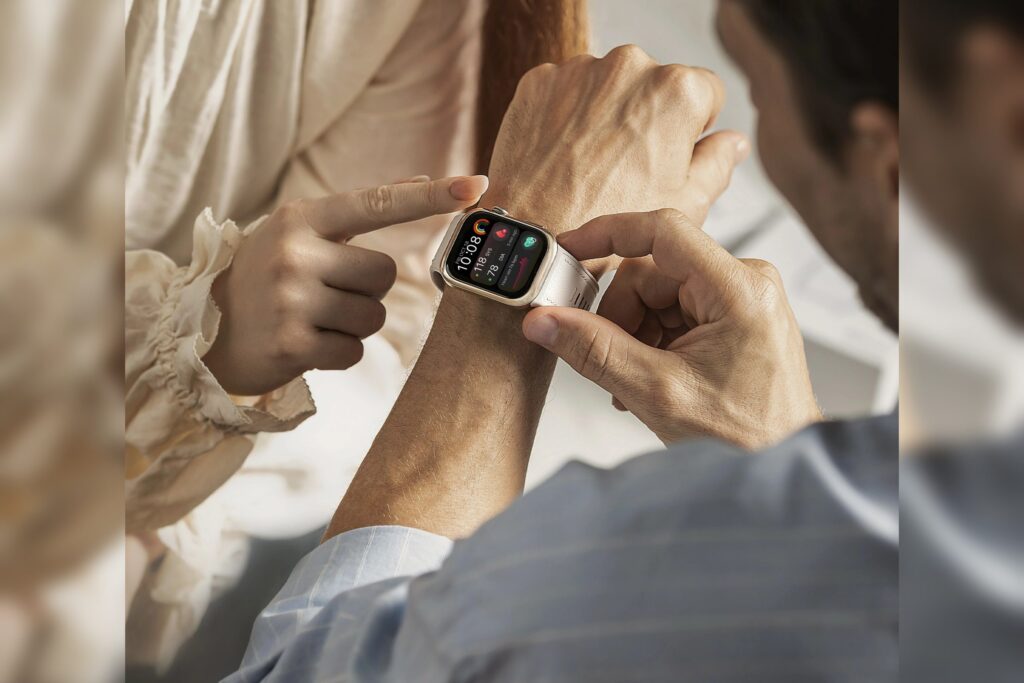
They can be particularly useful when an assignment involves the interaction between multiple mobile technologies rather than a single product. Wearable technology experts understand products such as smartwatches, fitness trackers, connected accessories, and other wearable devices, with expertise in sensors, mobile connectivity, health and fitness features, user experience, battery performance, data collection, applications, and consumer adoption. Smart home experts specialize in connected residential technologies, understanding smart speakers, connected lighting, security systems, smart thermostats, connected appliances, home automation, home networking, voice control, and Internet of Things technologies.
For families across the region, the practical effect is that the devices already in their homes — and the ones they are weighing whether to buy — are increasingly explained, tested, and argued over by people whose job is to know them closely. What to watch next is how these specialists shape the products that reach households, and how the questions organizations bring to them keep narrowing from broad categories to single, specific ones.




