
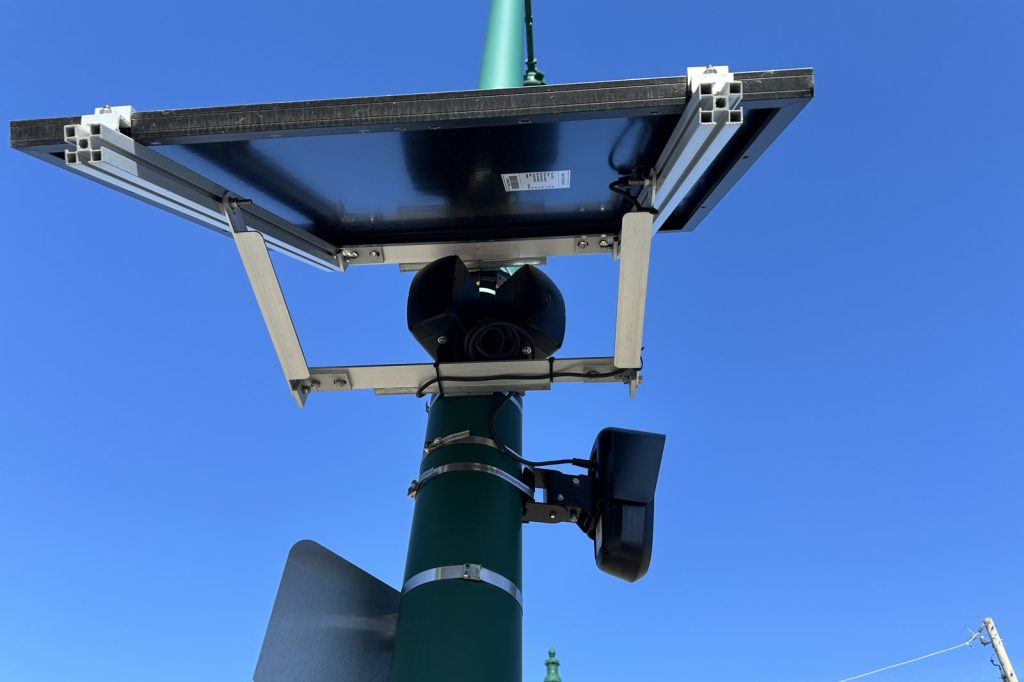
ATLANTA, September 16 — Flock Safety, the Atlanta-based company whose automated license plate reader cameras have spread across thousands of American communities, is now the subject of an unprecedented leak of its own internal material, after hackers obtained and published company software and documents. The breach, reported in 2025 and still being assessed, handed researchers and critics an unusually detailed view of how the company’s systems track cars and people.
According to that reporting, the leaked material included source code, internal communications and technical documentation describing the capabilities of Flock’s cameras and its data-sharing practices.
What the leak is said to show
Under the hood, the picture the documents reportedly paint is of a system built to identify far more than a plate number. The reporting describes software able to pick out vehicles by make, model, colour and other attributes, and to aggregate data across jurisdictions — the technical reality behind a network that police can search by plate, by vehicle characteristics, or by other criteria. That cross-jurisdiction aggregation is the detail that matters.
A single camera reading a plate is a local record. A network that pools readings from agencies in dozens of states is something else: a searchable index of movement, queryable by police far from where any individual camera sits.
The hackers’ motives were not immediately clear, and Flock has said it is investigating the incident.
A company built for scale
Flock Safety was founded in 2017 and sells its ALPR cameras and cloud-based software to law enforcement agencies, homeowners associations and private businesses across the United States. The cameras capture images of vehicle license plates and, in some configurations, broader views of vehicles and pedestrians, then transmit that data to a cloud platform. The company has grown rapidly, and by the mid-2020s its cameras were deployed in thousands of communities in dozens of states.
That scale is precisely what has drawn scrutiny from civil liberties organisations, including the American Civil Liberties Union and the Electronic Frontier Foundation, which have raised concerns about mass surveillance, data retention and the potential for misuse. In 2024, the EFF published an investigation documenting how Flock’s network enables cross-agency searches and can reveal patterns of movement.
The 2025 leak, if the reporting holds up, supplies the internal counterpart to that outside analysis.
The security question now lands on buyers
The incident also highlights the vulnerability of cloud-connected surveillance systems to cyberattacks — a category of risk that grows with every agency that joins the network. Law enforcement agencies using Flock cameras may now face questions about their own data security and privacy safeguards, since the data they collect sits in a platform they do not control. Flock has previously stated that its data is encrypted and that it has policies to prevent misuse.
Critics argue that the scale of the network and the sensitivity of the data create inherent risks regardless of those measures. The breach is the latest in a series of cyberattacks targeting companies that handle sensitive personal information.
As of the reporting, the full extent of the leaked data and its potential impact on privacy and public safety were still being assessed. Watch for two things next. Whether Flock confirms the scope of what was taken, and whether the agencies running its cameras begin asking publicly what the leak means for the records they have already handed to the cloud.




