
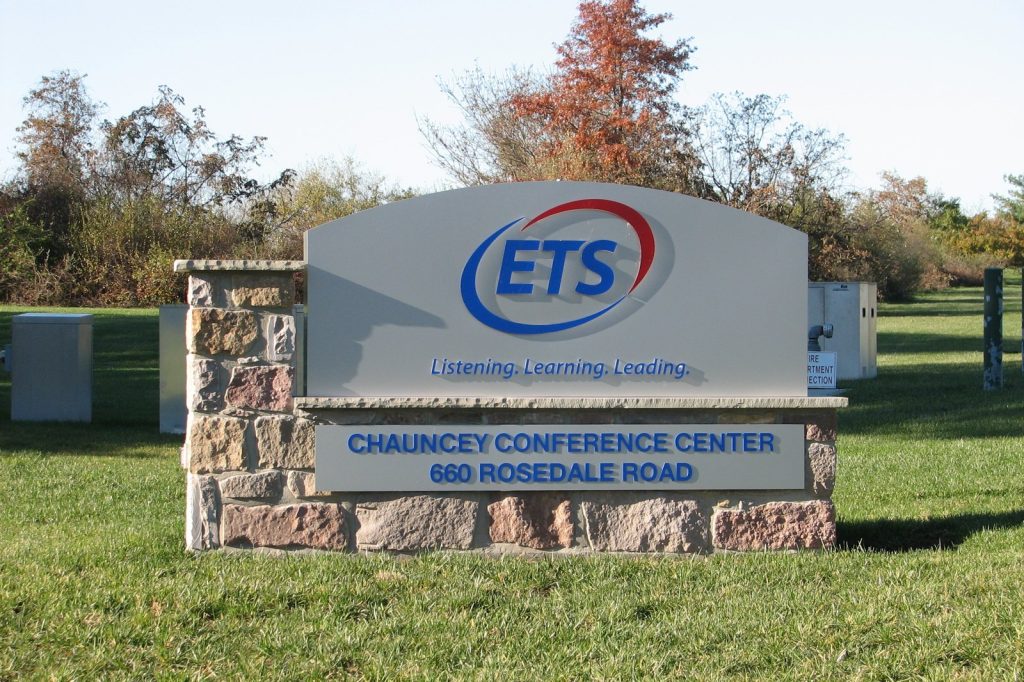
A Single Login, Decades of Data
The technical reality of California’s student data breach is simpler than it should be. Hackers did not exploit zero-day vulnerabilities, deploy custom malware, or bypass multi-factor authentication. They used a single compromised login credential—one that had likely been stolen months earlier—to access Educational Testing Service systems between May 22 and September 18, 2026. The result? A dataset spanning over a decade, including the records of 5.7 million current California public school students and millions more from as far back as 2006. No Social Security numbers were exposed, but the detail that matters—disability status, federal aid eligibility, race, ethnicity, and unique student identifiers—was all there.
Under the hood, this breach exposes a systemic failure in K-12 cybersecurity. ETS, a nonprofit testing vendor, maintains demographic and assessment data for California’s Smarter Balanced exams, a role that makes it a high-value target. The technical question remains: how did a single compromised account grant months of undetected access to such sensitive records?
The Breach’s Scale and Scope
The numbers tell the story. California’s current public school population stands at 5.7 million, but the breach extends far beyond active students. Records from 2023 enrollments and earlier were exposed, including those of former students who left the state without confirming transfers—some dating back to 2006. The exposed data includes names, addresses, dates of birth, grade levels, school and district information, unique student identifiers, gender, race or ethnicity, primary language, country of origin, English learner status, disability information, and eligibility for federal programs.
What was *not* compromised? Social Security numbers, financial data, or parental information. The absence of these details does not diminish the breach’s severity. Disability status and federal aid eligibility are highly sensitive, particularly for vulnerable student populations. The California Department of Education confirmed no evidence yet that the stolen data was made public, but the fact that it was accessed at all raises serious questions about how such records are stored and protected.
ETS’s Role and the Cybersecurity Gap
ETS, a nonprofit testing provider, is not a typical cybersecurity target. Unlike financial institutions or healthcare providers, education databases often operate with lower security standards. The breach highlights a broader trend: public-sector databases, particularly those in K-12 education, are frequently underfunded and underprotected. Anton Dahbura, executive director of the Johns Hopkins University Information Security Institute, questioned how a single compromised account could provide prolonged access to such a large volume of sensitive records. The technical reality is that many education systems still rely on legacy infrastructure, where basic security controls—such as regular credential rotation and access audits—are often neglected.
The breach was discovered on September 25, 2026, after unauthorized access had been ongoing for nearly four months. School district leaders were notified on October 2, but the public announcement did not come until October 16. The delay underscores another failure: the slow response in identifying and disclosing breaches in public-sector systems. California’s response includes 24 months of free identity-protection services for affected students, but the damage is already done. The data was stolen, and the question now is whether it will be misused.
The Broader Implications
This breach is not an isolated incident. Targeted attacks on public-sector databases are increasing, particularly in education, where outdated systems and underfunded cybersecurity measures create low-hanging fruit for hackers. The technical reality is that many K-12 institutions lack the resources to implement robust security protocols. ETS, as a nonprofit, may have fewer incentives to invest in cutting-edge cybersecurity than private-sector counterparts.
The stolen records—including disability status and federal aid eligibility—could be sold on the dark web or used for targeted extortion. The California Department of Education is investigating the scope and impact, but the detail that matters is that the breach was preventable. A single compromised login should not have granted months of undetected access to decades of student data.
The lesson is clear: education databases are not immune to cyber threats. The technical reality is that without stronger security measures, these systems will remain vulnerable. The question now is whether California—and other states—will take the necessary steps to protect student data before the next breach occurs.
How Legacy Systems and Underfunded Security Created a Perfect Storm
The breach’s persistence—four months of undetected access—points to a critical flaw in ETS’s infrastructure: reliance on outdated, high-risk systems. According to Anton Dahbura of the Johns Hopkins University Information Security Institute, the prolonged access suggests ETS’s security controls were either nonexistent or ineffective. Legacy databases, common in nonprofit and public-sector organizations, often lack modern encryption, access logging, or credential rotation protocols. A single compromised login could have remained active for months because ETS did not implement basic safeguards like multi-factor authentication or automated session timeouts.
California’s education system, like many K-12 networks, operates on a fragmented technology stack. ETS’s role as a vendor for Smarter Balanced assessments means it inherits data from thousands of districts, each with varying security standards. The breach underscores how decentralized data collection—without centralized oversight—creates blind spots. While ETS handles demographic and assessment records, local districts may store additional sensitive files (e.g., IEPs, medical notes) in separate, unsecured systems. The absence of a unified security framework means even a “minor” breach like this can expose decades of interconnected records.
The delay in detection—discovered on September 25 but active since May—hints at another systemic issue: understaffed IT teams. Nonprofits like ETS often prioritize cost-cutting over cybersecurity expertise. A 2024 report by the California State Auditor found that 60% of K-12 districts lack dedicated cybersecurity personnel, relying instead on part-time IT staff or third-party vendors with limited oversight. The breach’s scale suggests ETS’s monitoring tools failed to flag unusual activity, such as bulk data exports or repeated logins from unfamiliar locations. Without proactive threat detection, a single compromised credential becomes a gateway to years of unprotected data.
The technical details reveal a broader pattern: education databases are soft targets. Unlike healthcare or finance, K-12 systems rarely face regulatory pressure to upgrade security. The California Department of Education’s response—24 months of free identity protection—does little to address the root cause. Until states mandate audits of third-party vendors like ETS, or require encryption and access controls for student records, similar breaches will persist. The question isn’t *if* another login will be stolen, but when the next dataset will be exposed.
Sources
- Hackers steal personal data of millions of California students in massive breach
- ETS Data Breach Exposes Millions of California Student Records
- Hackers steal personal data of millions of California students in massive breach




