The shift is toward universities plugging directly into chip R&D. Indiana University has announced a partnership with imec, the Belgian research organization, and the first project puts advanced chips through radiation testing.
What the first project involves
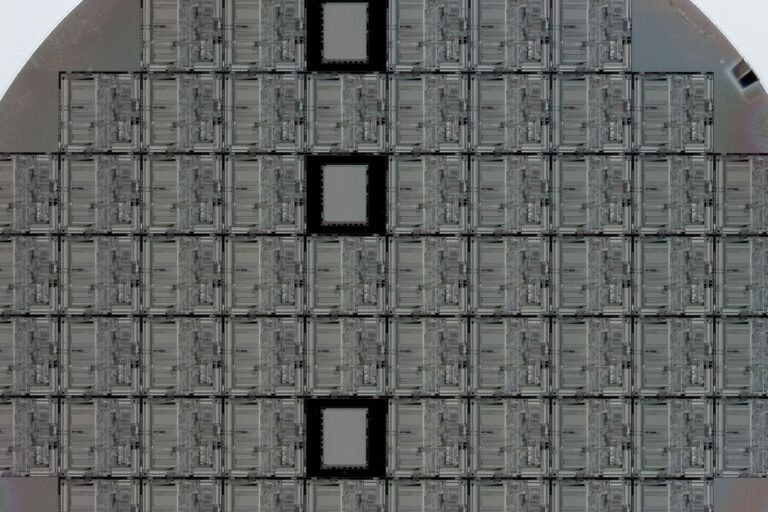
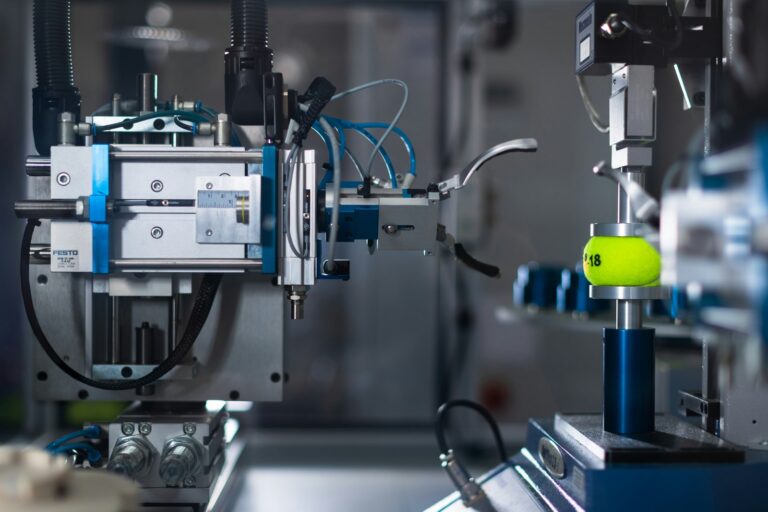
Imec will supply advanced electronic and photonic components. Researchers at IU CREATE, the university’s Center for Reliable and Trusted Electronics, will test them under radiation and analyze how the technology holds up in extreme environments, including space. The two sides will share findings, which are meant to feed future joint proposals and publications.
The deal came through IU Inc., which acts as a front door linking IU researchers, students and expertise to industry partners and startups. David Rosenberg, president and CEO of IU LAB and IU Inc., said it connects faculty and students to one of the world’s premier semiconductor research organizations and will advance technologies tied to economic competitiveness, national security and scientific discovery.
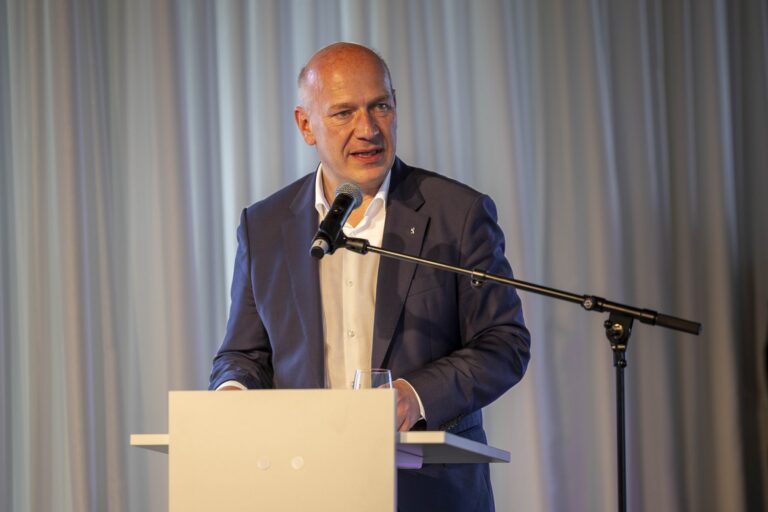
Max Mirgoli, an executive vice president at imec, said the partnership pairs imec’s semiconductor expertise with IU’s trusted-electronics research. Russell Mumper, IU’s vice president for research, framed it as a boost for Indiana’s innovation ecosystem. Adrian Ildefonso, who leads one of CREATE’s core labs, said students will get to test state-of-the-art devices, which he called central to workforce development in microelectronics.
Who imec is
Imec is headquartered in Leuven, Belgium. The Flemish Government set up a program in 1982 to strengthen the region’s microelectronics industry, and imec was founded in 1984 as a non-profit led by Roger Van Overstraeten. Its original name was Interuniversitair Micro-Electronica Centrum VZW. Luc Van den Hove ran it from 2009 to 2025, when Patrick Vandenameele took over. A board with delegates from industry, Flemish universities and the Flemish Government supervises it.
Today it employs more than 5,500 researchers from over 90 countries, including 12,000 square meters of cleanroom capacity for semiconductor processing. Revenue in 2022 was 846 million euro. Its work spans scaling, silicon photonics, artificial intelligence, beyond-5G communications and sensing.
Growth and reach
Imec merged with the Flemish digital research center iMinds, a deal announced in February 2016 and finalized that September. In December 2022 it signed a cooperation agreement with Japanese venture Rapidus on 2 nm chips. In January 2024 it said it would open an R&D center at the Andalusia Technology Park in Málaga, Spain, and the Spanish prime minister later announced a first 100 million euros for the scientific infrastructure there. That March, the Flemish Government said imec would sharply reduce its partnerships with China over export control concerns.
The direction of travel is clear in a talk by Paul Heremans, imec’s corporate CTO. The growth of AI is driving demand for exponentially more compute, he argues, and software and system architecture alone cannot deliver it. Hardware work on logic, memory and interconnects, from devices down to materials, has to carry part of the load. Watch this space: partnerships like IU’s are how that hardware research gets tested.
Sources
- IMEC
- IU lands partnership with international semiconductor powerhouse imec
- ECE Colloquium: Paul Heremans (imec) | Cornell Duffield Engineering
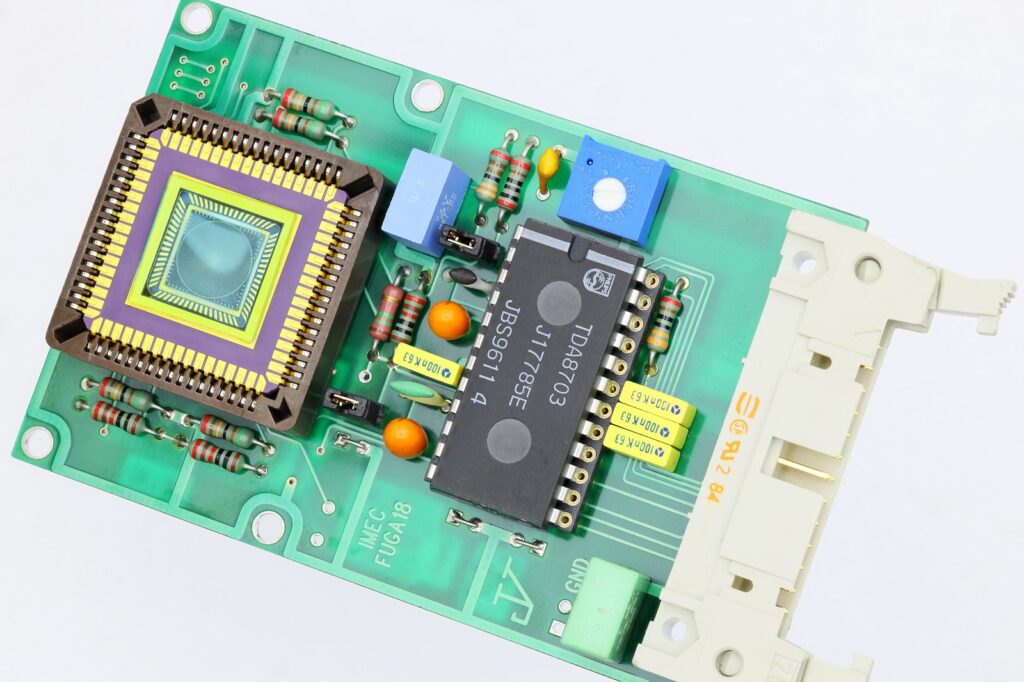
Photo: Mister rf (CC BY-SA 4.0)