
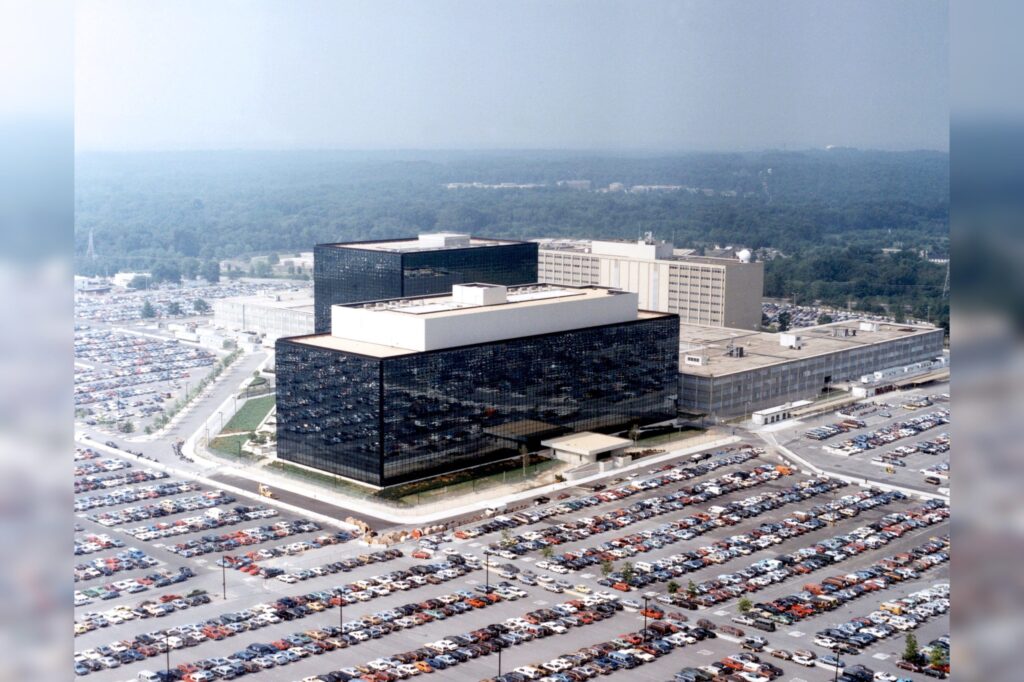
WASHINGTON, July 21 — Mass surveillance — the systematic monitoring of an entire or substantial fraction of a population — has become a defining issue of the Digital Age, with governments and corporations increasingly collecting, storing, and analyzing data on citizens. The practice is carried out by local and federal governments or governmental organizations, but may also be conducted by corporations at their own initiative or on behalf of governments. Legality and required permissions vary by nation.
Strategically, mass surveillance is frequently distinguished from targeted surveillance and is considered the single most indicative distinguishing trait of totalitarian regimes. A 2007 survey by Privacy International covering 47 countries found an increase in surveillance and a decline in privacy safeguards compared to the previous year.
Eight countries were rated as ‘endemic surveillance societies’: China, Malaysia, and Russia scored lowest, followed jointly by Singapore and the United Kingdom, then jointly by Taiwan, Thailand, and the United States. Greece received the best ranking, with ‘adequate safeguards against abuse’. The American Civil Liberties Union (ACLU) warned in September 2007 that the world was ‘in danger of tipping into a genuine surveillance society completely alien to American values’, with potential for a future where every move, transaction, and communication is recorded and stored for authorities to use against citizens.
The calculus shifted dramatically in 2013, when the practice of mass surveillance by world governments was called into question after Edward Snowden’s global surveillance disclosure, which revealed practices utilized by the National Security Agency (NSA) of the United States. Reporting based on documents Snowden leaked to various media outlets triggered a debate about civil liberties and the right to privacy in the Digital Age.
Agencies like the NSA have cited mass surveillance as necessary to fight terrorism, prevent crime and social unrest, protect national security, and control the population. Critics argue it violates privacy rights, limits civil and political freedoms, and is illegal under some legal or constitutional systems. What this signals is a deepening concern that increasing mass surveillance could lead to a surveillance state, an electronic police state, or a totalitarian state where civil liberties are infringed and political dissent is undermined by programs akin to COINTELPRO.
The Aerospace Corporation of the United States describes a near-future event called the ‘GEOINT Singularity’, in which everything on Earth will be monitored at all times, analyzed by artificial intelligence systems, and made available to the general public globally in real time. That concept frames the broader stakes for intelligence collection and personal privacy alike.
On 12 March 2013, Reporters Without Borders published a special report on Internet Surveillance, listing five ‘State Enemies of the Internet’: Bahrain, China, Iran, Syria (until December 2024), and Vietnam — countries whose governments engage in active, intrusive surveillance of news providers, resulting in grave violations of freedom of information and human rights. The level of Internet filtering
Sources
{“@context”: “https://schema.org”, “@type”: “NewsArticle”, “headline”: “**Mass Surveillance Expands: Eight Nations Deemed ‘Endemic Societies’**”, “description”: “WASHINGTON, July 21 — Mass surveillance — the systematic monitoring of an entire or substantial fraction of a population — has become a defining issue…”, “datePublished”: “2026-07-21T09:30:00+00:00”, “author”: {“@type”: “Person”, “name”: “Noah King”}, “publisher”: {“@type”: “Organization”, “name”: “InfoPulse Today”, “url”: “https://newsfeed.infopulsetoday.com/”}, “citation”: [{“@type”: “CreativeWork”, “url”: “https://en.wikipedia.org/wiki/Mass_surveillance”}]}




