
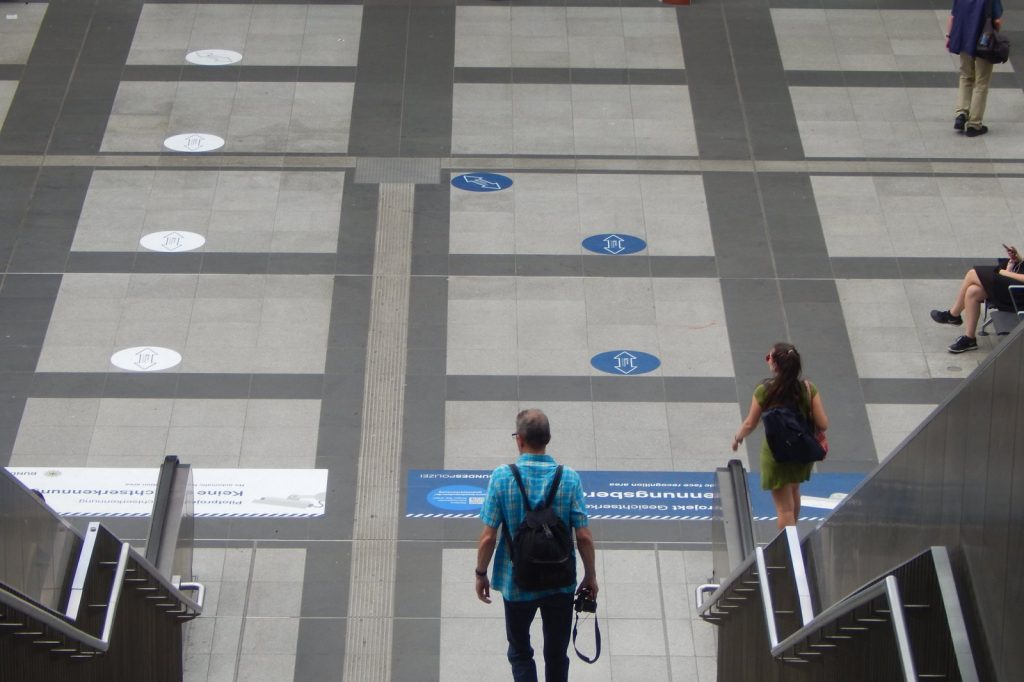
A study released by the National Institute of Standards and Technology (NIST) on December 24, 2019 documents serious shortcomings in the facial‑recognition systems that federal agencies have adopted for border security and law‑enforcement purposes. The analysis shows that the artificial‑intelligence algorithms in widespread use frequently misidentify individuals, with error rates that vary sharply across racial and gender groups.
Disproportionate Errors for Non‑White Subjects
When the NIST researchers tested two leading algorithms, they found that the systems assigned the wrong gender to black women in roughly 35 percent of cases. The problem is not limited to gender classification.
False‑positive matches—instances where the software links a face to the wrong person—occurred up to 100 times more often for Asian and African‑American subjects than for white subjects. These findings point to a systemic bias rooted in the data used to train the models.
Consequences of Misidentification
Lead researcher Patrick Grother explained that a false negative (failing to match a face that should be recognized) is generally a minor inconvenience that can be corrected with a repeat scan. By contrast, a false positive places an incorrect match on a watchlist or investigation list, exposing an innocent person to a cascade of adverse outcomes: missed flights, extended interrogations, placement on security watchlists, and potentially hostile encounters with police.
In law‑enforcement contexts, such errors could lead to wrongful suspicion, detention, or arrest.
Civil‑Liberty Groups Sound Alarm
The American Civil Liberties Union, represented by spokesperson Jay Stanley, warned that the documented flaws could result in prolonged investigations and the arrest of individuals who have done nothing wrong. Stanley also stressed that, beyond any technical malfunction, facial‑recognition technology enables “undetectable, persistent, and suspicionless surveillance” on a scale previously unseen, underscoring the need for stronger legal safeguards.
Path Toward More Reliable Systems
The NIST report concludes that the primary remedy lies in expanding and diversifying the training datasets that power these algorithms. Current data sets fail to capture the full demographic breadth of the United States, which perpetuates the observed disparities.
Federal agencies are urged to adopt more representative data, implement rigorous oversight, and pause large‑scale deployments until accuracy improves.
Implications for Policy and Public Trust
If left unaddressed, the identified inaccuracies could erode confidence in law‑enforcement and intelligence operations, and damage the reputation of agencies that rely on biometric identification. Transparency about how biometric data is collected, stored, and used, as well as accountability for errors, are presented as essential steps to protect constitutional rights while maintaining public safety.
{“@context”: “https://schema.org”, “@type”: “NewsArticle”, “headline”: “US Facial Recognition Systems Found to Have Significant Errors”, “description”: “A study released by the National Institute of Standards and Technology (NIST) on December 24, 2019 documents serious shortcomings in the facial‑recognition syst”, “datePublished”: “2026-06-24T09:30:00+00:00”, “author”: {“@type”: “Person”, “name”: “Reza Karimi”}, “publisher”: {“@type”: “Organization”, “name”: “InfoPulse Today”, “url”: “https://newsfeed.infopulsetoday.com/”}, “image”: “https://infopulsetoday.com/wp-content/uploads/sites/3/rehomed/s23/2026/05/us-government-facial-recognition-errors.jpg”}




