SEOUL, November 9, 2026 — NVIDIA, Rebellions and SK Telecom announced a collaboration to advance South Korea’s sovereign AI infrastructure, linking Korean-designed neural processing units to NVIDIA’s open rack architecture. The partnership, backed by the Ministry of Science and ICT, aims to combine domestic semiconductor innovation with global systems technology for rack-scale inference.
Technical Architecture: NVLink Fusion, R200 NPUs and MGX Rack
Under the agreement, Rebellions will adopt NVIDIA NVLink Fusion to connect its next-generation Rebel R200 neural processing units to NVIDIA’s open infrastructure platform. The R200 NPUs are purpose-built for low-latency, energy-efficient inference of frontier models, including multitrillion-parameter mixture-of-experts architectures, according to the companies.
The systems will be developed on NVIDIA’s MGX rack architecture, which provides a standardized framework for rack-scale interconnectivity. The MGX ecosystem also grants Rebellions access to NVIDIA’s established supply chain of original design manufacturers and component suppliers, reducing deployment risk and accelerating time to market, the companies said.
NVLink Fusion extends NVIDIA’s vertically integrated, horizontally open AI platform to custom XPUs, enabling chipmakers to combine specialized silicon with NVIDIA’s high-bandwidth, low-latency scale-up networking. Jensen Huang, founder and CEO of NVIDIA, said the technology lets Korean chipmakers connect their custom ASICs to NVIDIA’s AI factory platform, tightly coupling their processors with NVIDIA compute to run AI workloads.
SK Telecom Deployment and Disaggregated Inference
SK Telecom plans to deploy the integrated hardware in its AI data centre, drawing on its operational expertise, proprietary foundation models such as A.X K2, and public-facing services. The carrier intends to implement a disaggregated inference approach: NVIDIA GPUs will handle prefill tasks while Rebellions NPUs focus on decoding, improving throughput and power efficiency, according to the announcement.
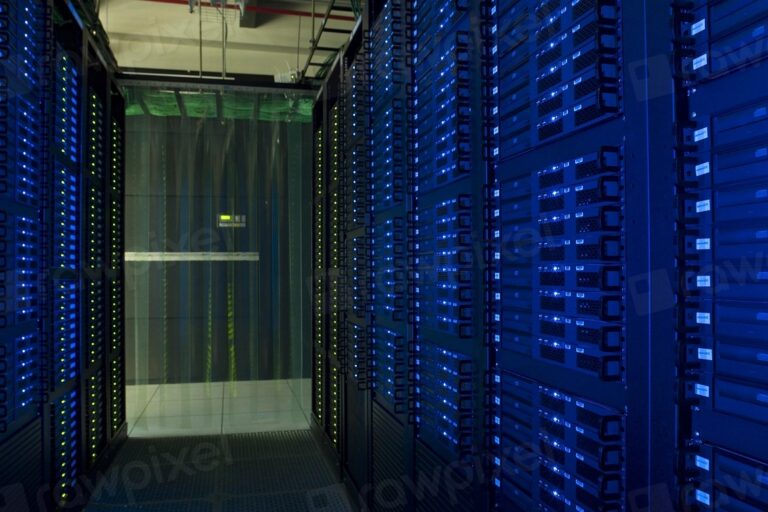
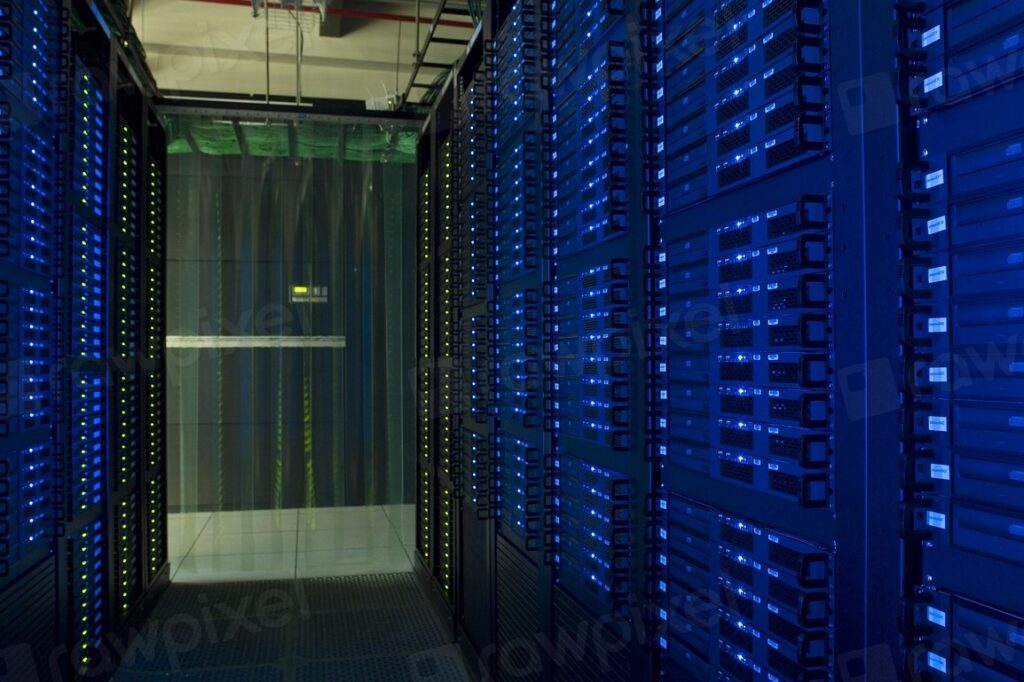
The MGX rack architecture provides a common foundation for GPU and NPU systems to share data centre design elements, including rack footprint, power delivery and cooling. This standardization supports infrastructure planning alongside Rebellions’ processor and system development, the companies said.
Jung Jai-hun, president and CEO of SK Telecom, said the collaboration validates the potential of next-generation sovereign AI infrastructure by combining global AI infrastructure technology with Korean AI semiconductors. He added that linking SK Telecom’s AI data centres, proprietary models and public-facing services developed under the “AI for All” project will strengthen the company’s full-stack sovereign AI competitiveness.
Government Support and Sovereign AI Strategy
The initiative is supported by Korea’s Ministry of Science and ICT, which aims to strengthen national AI capabilities and connect domestic semiconductor development with the systems needed to deliver AI at scale. Bae Kyung-hoon, Deputy Prime Minister and Minister of Science and ICT, said the collaboration marks a significant step forward by enabling Korean-developed NPUs to enter the computing infrastructure market alongside NVIDIA.
The ministry said it plans to actively support the initiative to deliver tangible results and pursue further cooperation with NVIDIA in areas such as physical AI and GPU supply security. The project aligns with Korea’s “AI for All” initiative, which targets language-specific services and industry-focused AI applications.
Sunghyun Park, cofounder and CEO of Rebellions, said the integration will deliver low-latency and energy-efficient inference for frontier models at scale, establishing Korean technology as a core pillar powering AI worldwide. Huang framed the effort as building the computing foundation for Korea to produce its own intelligence and power its next industrial revolution.
Sources
- NVIDIA, Rebellions and SK Telecom Announce Collaboration to Advance Sovereign AI Infrastructure With NVIDIA NVLink Fusion
- NVIDIA, Rebellions and SK Telecom Announce Collaboration to Advance Sovereign AI Infrastructure With NVIDIA NVLink Fusion
- From Chips to Skills, NVIDIA and Korea Expand Sovereign AI Collaboration
- NVIDIA, Rebellions and SK Telecom Announce Collaboration to Advance Sovereign AI Infrastructure With NVIDIA NVLink Fusion
- NVIDIA, Rebellions, SK Telecom Collaborate on Sovereign AI with NVLink Fusion
Photo: U.S. Department of Energy / rawpixel (CC CC0 1.0)