
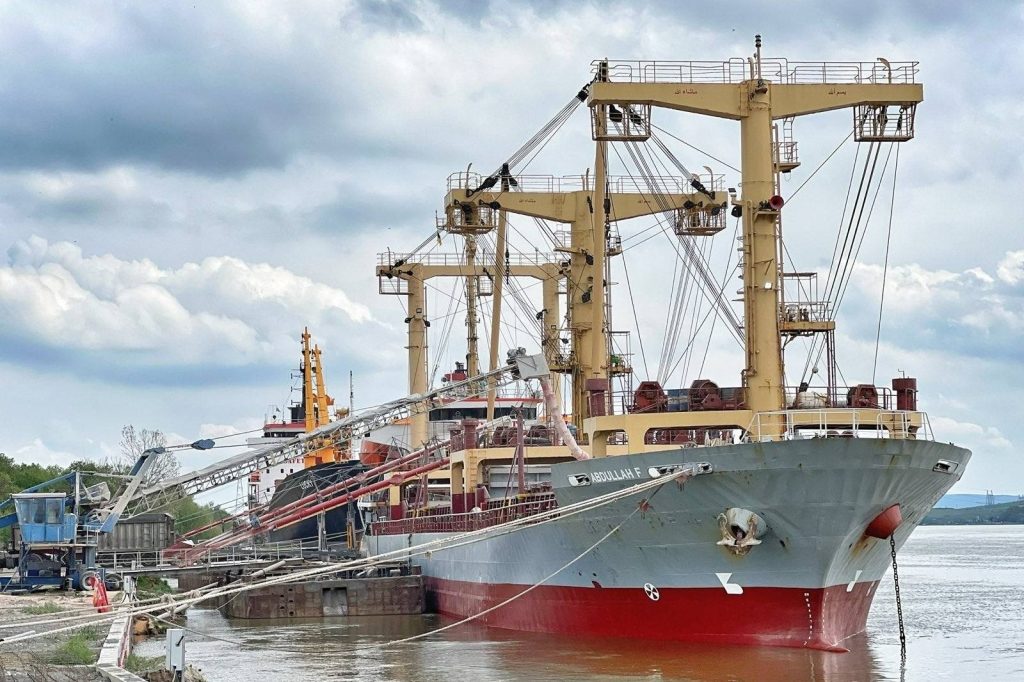
ISTANBUL, July 9 — The shift is quiet but unmistakable. A year after the Black Sea Grain Initiative collapsed, Ukraine has effectively rewritten the rules of maritime warfare to keep its grain moving. What started as a diplomatic deal has become a military model, and the trend underneath is a fundamental change in how a smaller navy can challenge a larger one.
The Black Sea Grain Initiative was a deal brokered by Turkey and the United Nations in July 2022. It allowed Ukraine to export grain from three ports: Odesa, Chornomorsk, and Yuzhne.
During its operation, the initiative enabled the export of over 32 million metric tons of grain and foodstuffs. Ukraine was exporting approximately 5 million tons per month. The deal was critical for global food security, as Ukraine is a top exporter of sunflower oil, barley, corn, and wheat.
The deal expired in July 2023 after Russia withdrew. That was the moment the strategy shifted.
From diplomatic deal to military corridor
After Russia’s withdrawal, Ukraine established a temporary humanitarian corridor along the coast of Romania and Bulgaria. As of May 2024, that corridor had been used by over 100 ships. The corridor is protected by Ukrainian naval drones and missiles, which target Russian ships that threaten merchant vessels.
This is not a passive shipping lane. It is an active, defended route.
Ukraine’s strikes on Russian ships are part of a broader strategy to break the naval blockade and secure safe passage for grain exports. The strikes have reduced the Russian fleet’s ability to enforce the blockade. Watch this space: the math is brutal and clear.
A navy that cannot safely patrol cannot effectively blockade. The numbers tell the story of the war’s economic toll.
In 2023, Ukraine exported 56 million tons of grain. That is down from 86 million tons in 2021, before the war. The drop is significant, but the fact that Ukraine is exporting at all — under active blockade, with drone warfare — is what’s changing.
What the corridor reveals
The temporary corridor is not just a humanitarian measure. It is a proof of concept. Ukraine is using relatively cheap naval drones and missiles to counter a much larger fleet.
The strategy has reduced the Russian navy’s ability to threaten commercial shipping. The trend underneath is clear: maritime denial is no longer the exclusive domain of major naval powers.
For the global food market, the stakes are direct. Before the war, Ukraine was a top exporter of sunflower oil, barley, corn, and wheat. The Black Sea Grain Initiative bought time and moved over 32 million metric tons.
But the corridor is the real innovation — a military solution to a diplomatic failure. What to watch next.
The corridor has already been used by over 100 ships. If Ukraine can sustain this model, it changes the strategic calculus for any future blockade. The question is whether the corridor can scale, and whether other nations will adopt similar tactics.
The shift is already here. The rest of the world is catching up.




