On September 9, 2021, Malaysia began a concerted effort to untangle a twelve‑month backlog that has gripped the worldwide semiconductor supply chain. The shortage did not stem from a single incident; it accumulated from a series of disruptions – factory fires in Japan, a drought in Taiwan, a container ship lodged in the Suez Canal, and a stringent COVID‑19 lockdown in Malaysia itself. Each shock struck a system already operating with virtually no slack, and the Malaysian lockdown proved to be the prolonged squeeze that halted a critical segment of chip production.
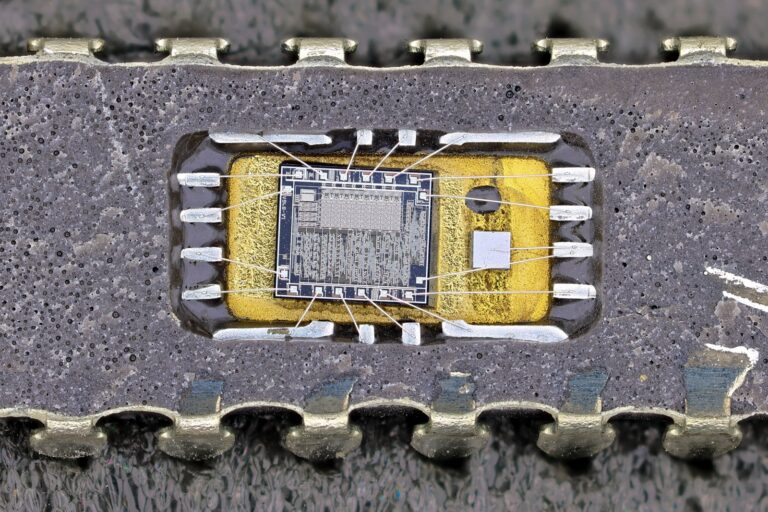
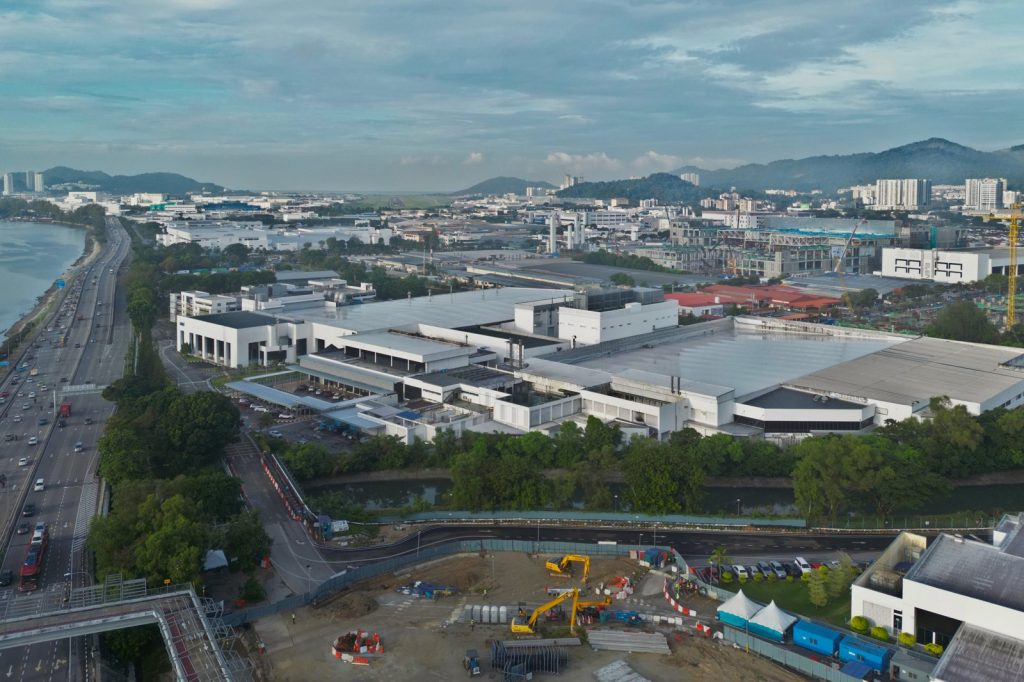
Malaysia does not fabricate the most advanced processors; instead, it handles the packaging, testing and assembly stages – collectively known as backend work. Approximately thirteen percent of the planet’s semiconductor backend activity takes place in Malaysian facilities. When the government ordered factories to close to curb the virus, this work stopped, leaving integrated circuits destined for automobiles, medical equipment and countless other products stranded in limbo.
To restart operations, authorities imposed a condition: factories may run at full capacity only if at least eighty percent of their workforce is fully vaccinated. Vaccination campaigns are underway on company premises, but achieving that threshold requires time because employees need two doses spaced weeks apart. Datuk Seri Wong Siew Hai, president of the Malaysia Semiconductor Industry Association, noted that classifying electronics as an essential service has aided the effort, stating, “We are working around the clock to deliver more products.”
The industry is not merely awaiting vaccinations. A survey conducted by the MSIA revealed that sixteen companies intend to invest more than RM 4 billion over the next two years to expand capacity. Some firms have already begun hiring additional workers, confident that current order levels justify the expenditure. This injection of capital underscores how the chip shortage has exposed the fragility of just‑in‑time supply chains, where isolated shocks – a fire, a drought, a blocked canal – can cascade when there is no buffer.
Recovery remains uneven. While some plants are accelerating because they meet the vaccination benchmark sooner, others lag behind, creating a staggered ramp‑up. The twelve‑month backlog will not disappear overnight; clearing it will take months, possibly longer. Wong observed that more manufacturers are vaccinating staff and simultaneously investing in hiring and productivity enhancements to meet intense global demand. Automakers have idled assembly lines, electronics retailers face empty shelves, and every chip that exits Malaysian facilities is shipped out immediately.
Looking ahead, the central question is whether the surge in investment will endure once the shortage eases. If new capacity is built now, what will happen when demand normalizes? Historically, the semiconductor sector follows a boom‑and‑bust pattern: high prices spur expansion, which leads to oversupply, price crashes, cutbacks, and then another shortage. Malaysia’s semiconductor players are betting that this cycle will be altered by the pandemic’s lasting impact on chip demand – more remote work, greater data‑center usage, and an explosion of connected devices. Orders are not merely catching up; they are continuing to climb.
For the moment, factories operate around the clock, vaccination rates rise, and investment agreements are being signed. The bottleneck is beginning to loosen, but a return to normal flow will require sustained effort. Malaysia currently stands as the place where the world’s chip shortage starts to end.