San Francisco, October 1 At Meta Connect on September 23, Mark Zuckerberg introduced the Muse Charm, a small device about the size of a pocket watch that gives users direct access to Meta’s Muse AI agent. Think of it like a remote control, but instead of switching channels, it lets you interact with an AI assistant without needing a smartphone app. The Muse Charm has a small screen and uses 5G to connect to the internet, but it can’t make phone calls.
This is just the beginning for Meta’s AI glasses, which are expanding across several brands, including Ray-Ban and Oakley. The company plans to offer over 100 different styles of AI glasses by the end of the year.
One of the first models is the Ray-Ban Meta Audio glasses, which use open-ear audio technology to let users hear AI assistance without blocking out the world around them. These glasses can last up to 12 hours on a single charge. Meta is also working on display glasses that can be controlled by a wristband that reads muscle signals, allowing users to interact with the AI without using their hands.
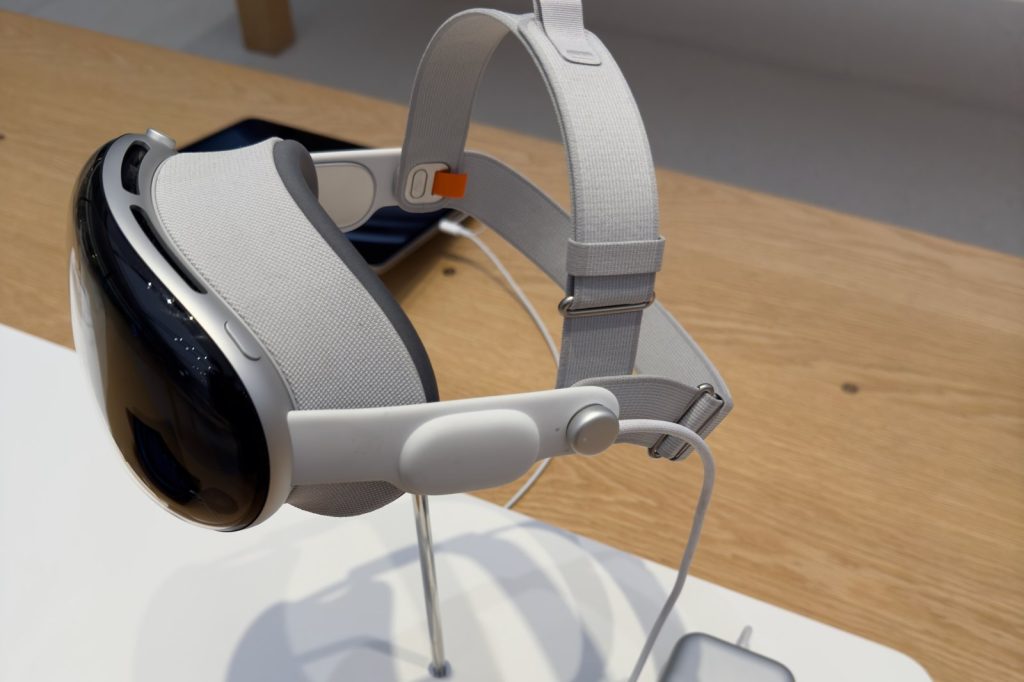
Meta has also announced VR glasses that will be available in spring 2027. These glasses are much lighter than previous models and use a separate device for computing and storage.
They offer high-resolution displays and support a range of activities, from work to entertainment, and can connect to computers running Mac or Windows operating systems. Other companies are also developing similar technology. Google is working on smart glasses that use AI to help with tasks, and Samsung has turned its Galaxy XR headset into a spatial computer.
Apple is making AI more accessible across its devices, and Rabbit is continuing to develop an AI-based operating system. The future of these gadgets is clear: they are becoming more like assistants that can see, hear, and understand context, rather than just being tools we use on a website. As these technologies continue to evolve, we can expect to see more ways in which AI becomes a constant presence in our daily lives.