
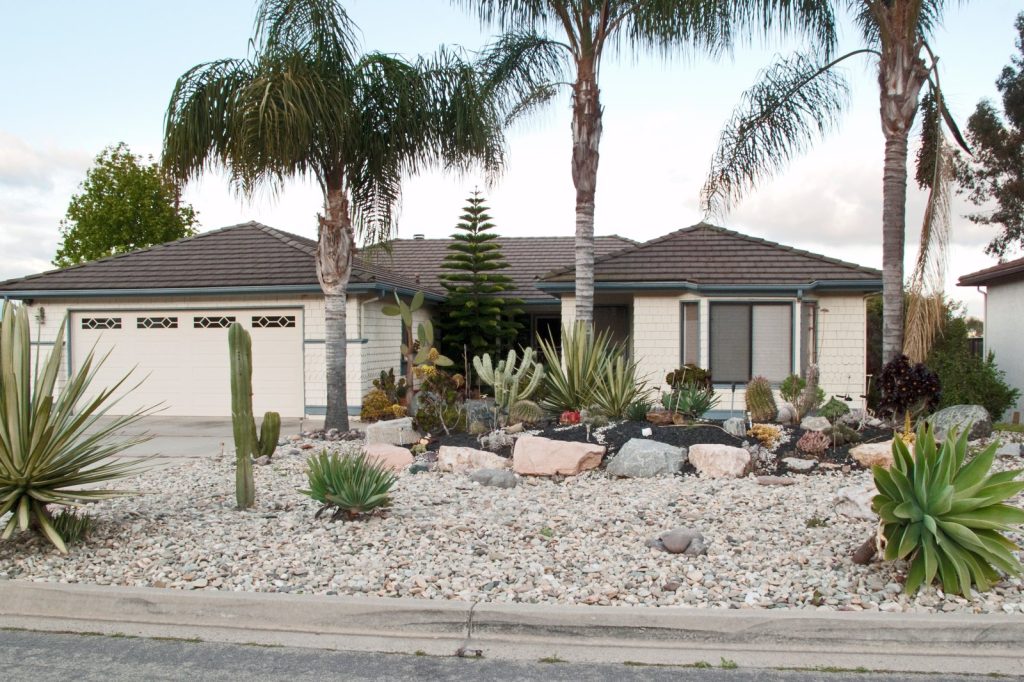
NEW YORK, October 2 — Minimalist gardening, a design approach emphasizing simplicity, functionality, and sustainability, has gained popularity in the United States as homeowners seek low-maintenance, eco-friendly outdoor spaces. Originating in Japan as ‘zen gardens’ in the 16th century, the practice has seen a resurgence in recent years due to water conservation concerns and the desire for a more relaxed, nature-oriented lifestyle. At its heart, minimalist gardening involves using native plants, reducing turf grass, and implementing water-saving techniques, such as drip irrigation and rainwater harvesting.
This not only reduces water consumption but also promotes biodiversity and supports local ecosystems. According to the American Society of Landscape Architects’ 2021 Trends Survey, ‘sustainable’ is the top design trend for residential landscapes, with minimalist gardening as a key component.
The cost of implementing a minimalist garden varies, with an average investment of $2,000 to $5,000, depending on the size and complexity of the project. The trend is expected to continue as more homeowners prioritize sustainability and low-maintenance landscapes.
Native Plants and Water-Saving Techniques
Minimalist gardening encourages the use of native plants, which are adapted to local climate and soil conditions, reducing the need for water and fertilizers. This not only saves resources but also promotes biodiversity by providing habitat for local wildlife. Water conservation is a key aspect of minimalist gardening.
Techniques such as drip irrigation and rainwater harvesting help conserve water by delivering it directly to the roots of plants, reducing evaporation and runoff. This not only saves water but also reduces the demand on municipal water supplies.
Minimalist gardening promotes biodiversity by providing habitat for local wildlife and reducing the use of pesticides and fertilizers. This helps support local ecosystems and promotes a more sustainable and balanced environment. The cost of implementing a minimalist garden varies, with an average investment of $2,000 to $5,000, depending on the size and complexity of the project.
Despite the initial investment, minimalist gardening is expected to continue gaining popularity as more homeowners prioritize sustainability and low-maintenance landscapes. In conclusion, minimalist gardening is a design approach that emphasizes simplicity, functionality, and sustainability.
Originating in Japan as ‘zen gardens’ in the 16th century, the practice has seen a resurgence in recent years due to water conservation concerns and the desire for a more relaxed, nature-oriented lifestyle. Minimalist gardening involves using native plants, reducing turf grass, and implementing water-saving techniques, such as drip irrigation and rainwater harvesting. This not only reduces water consumption but also promotes biodiversity and supports local ecosystems.
The cost of implementing a minimalist garden varies, with an average investment of $2,000 to $5,000, depending on the size and complexity of the project. The trend is expected to continue as more homeowners prioritize sustainability and low-maintenance landscapes.




