
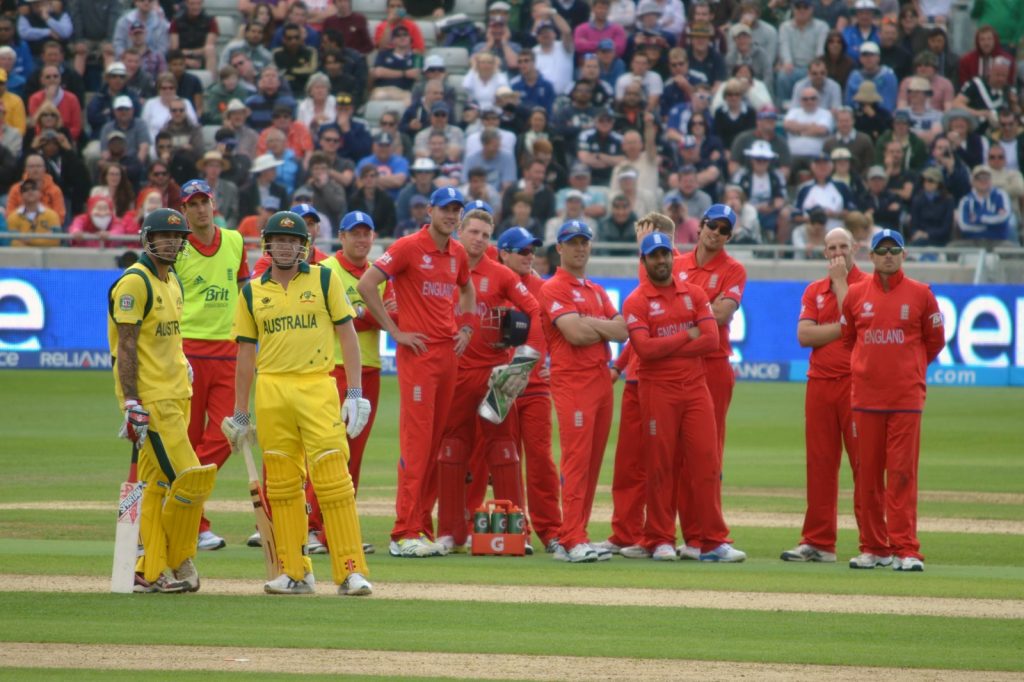
Colombo, October 6 — The Decision Review System (DRS) in cricket, introduced by the International Cricket Council (ICC) in 2008, has significantly improved decision accuracy and fan engagement, according to state and international reports. Officials said the system, first used during a Test match between Sri Lanka and India in Colombo, incorporates technologies such as Hawk-Eye ball-tracking, UltraEdge (formerly Snickometer), and Hot Spot infrared imaging to identify the point of impact.
By 2011, the ICC mandated DRS for all Test matches, and its use expanded to One Day Internationals (ODIs) starting in 2011 and Twenty20 Internationals (T20Is) in 2017. According to ICC data released in 2019, DRS overturned approximately 25% of on-field umpire decisions across international matches, with Hawk-Eye contributing to over 60% of successful challenges.
The system allows each team two unsuccessful reviews per innings in Test cricket and one in limited-overs formats, a rule adjusted from the original three in Tests after feedback from players and officials. Umpire accuracy rose from around 90% pre-DRS to over 95% in reviewed matches, according to independent studies cited by the ICC. Financially, implementing DRS in a single Test match cost approximately US$15,000 to US$20,000 per day, covering technology operators, equipment, and third-party providers like Hawk-Eye Innovations.
Broadcasters such as Star Sports and Sky Sports integrate DRS replays into live telecasts, often using augmented reality graphics to show ball trajectories and impact points, increasing viewer interaction during critical moments. Despite controversies, DRS remains a cornerstone of modern cricket, symbolizing the sport’s embrace of technology to uphold integrity while enhancing the spectator experience.
Sources
Background and why it matters
The Decision Review System (DRS), a revolutionary technology in cricket, was officially unveiled by the International Cricket Council (ICC) in November 2008 during a Test match between Sri Lanka and India in Colombo. This marked the beginning of technology-assisted umpiring in international cricket.
DRS was developed with the aim of reducing umpiring errors and enhancing fairness. It incorporates several technologies, including Hawk-Eye ball-tracking, UltraEdge (formerly Snickometer), and Hot Spot infrared imaging. These tools help identify the point of impact, bat-ball contact, and ball trajectory respectively.
Initial trials of DRS began in 2006 during a series between England and Pakistan, but it was the 2008 launch that established DRS as a formal protocol in cricket. By 2011, the ICC mandated DRS for all Test matches, and its use expanded to One Day Internationals (ODIs) starting in 2011 and Twenty20 Internationals (T20Is) in 2017.
According to ICC data, DRS overturned approximately 25% of on-field umpire decisions across international matches, with Hawk-Eye contributing to over 60% of successful challenges. This significant improvement in decision accuracy has been a game-changer, rising umpire accuracy from around 90% pre-DRS to over 95% in reviewed matches.
Financially, implementing DRS in a single Test match costs approximately US$15,000 to US$20,000 per day, covering technology operators, equipment, and third-party providers like Hawk-Eye Innovations. Despite these costs, the system has transformed fan engagement, with broadcasters integrating DRS replays into live telecasts, increasing viewer interaction during critical moments.
In essence, DRS represents cricket’s embrace of technology to uphold integrity while enhancing the spectator experience. Its implementation signifies a commitment to fairness and accuracy, making cricket a more engaging and trusted sport for millions of fans worldwide.




