
Pakistan, June 9, 2023 — cybernewschronicle.com — The Pakistan Economic Survey 2022/23 has highlighted the financial cost of the challenges faced by Pakistan’s economy, with the real GDP growing by only 0.29% in the fiscal year. This slow growth has significant implications for the market, with the industrial sector facing a decline and the services sector showing minimal growth. The fiscal consequences of this slow growth are also a concern, with a decreased fiscal deficit but a significant increase in headline inflation.
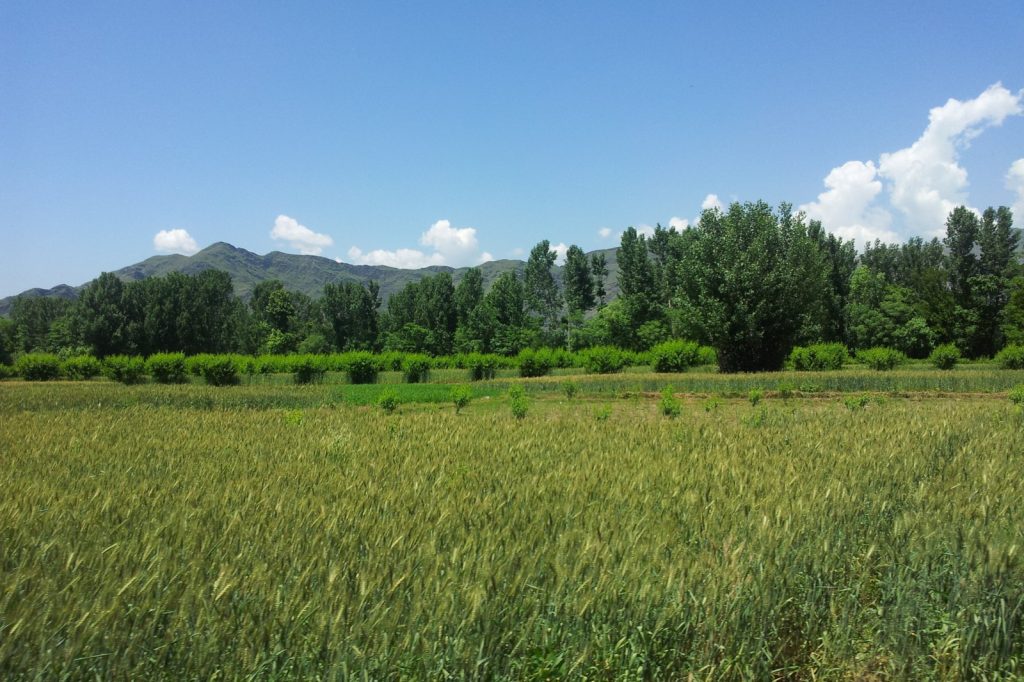
The agriculture sector was a bright spot, with growth driven by wheat, sugarcane, maize, and livestock. However, cotton and rice production faced setbacks, which will need to be addressed through targeted reforms and investment.
The manufacturing performance played a significant role in the decline of the industrial sector, while mining and quarrying showed improvement. The services sector, which is a significant contributor to GDP, had limited growth, necessitating sector-specific reforms and investment to unlock its potential.
Fiscal Management and Inflation
The fiscal indicators show progress in fiscal management, with a decreased fiscal deficit. However, the significant increase in headline inflation is a concern, and measures will be needed to control inflationary pressures and maintain fiscal discipline. The government’s focus on fiscal discipline is evident from the reduction in the fiscal deficit, but rising inflation rates call for measures to control prices and ensure affordability for the population.
The Economic Survey emphasizes the government’s commitment to overcoming the challenges faced by the economy and fostering sustainable development. The report suggests that targeted reforms, investment, and policies are needed to stimulate growth and ensure economic stability.
Opportunities lie in enhancing productivity in the agriculture sector and addressing the challenges faced by cotton and rice production. The industrial sector needs measures to boost manufacturing performance and attract investment, while reforms are necessary to unlock the services sector’s potential and attract domestic and foreign investment.
Sector-Specific Reforms and Investment
The agriculture sector needs investment to enhance productivity and address the challenges faced by cotton and rice production. The industrial sector needs measures to boost manufacturing performance, such as improving the business environment and providing incentives for investment. The services sector needs sector-specific reforms to unlock its potential, such as improving the regulatory framework and providing support for small and medium-sized enterprises.
The government’s commitment to sustainable development and resilience in Pakistan’s economy is crucial for achieving long-term economic growth, stability, and improved living standards. Collaboration between policymakers, businesses, and citizens is necessary to achieve this goal, and the Economic Survey provides a roadmap for the way forward.
The report highlights the importance of addressing the challenges faced by the economy and taking measures to stimulate growth and ensure economic stability.
Looking Ahead
As the government moves forward with implementing the recommendations of the Economic Survey, it will be important to watch for progress in addressing the challenges faced by the economy. The ability of the government to implement targeted reforms, attract investment, and control inflationary pressures will be crucial for stimulating growth and ensuring economic stability. The international community will also be watching to see how Pakistan navigates these challenges and achieves sustainable development and resilience in its economy.
In the coming months, it will be important to monitor the government’s progress in implementing the Economic Survey’s recommendations and to watch for signs of economic growth and stability in Pakistan.




