
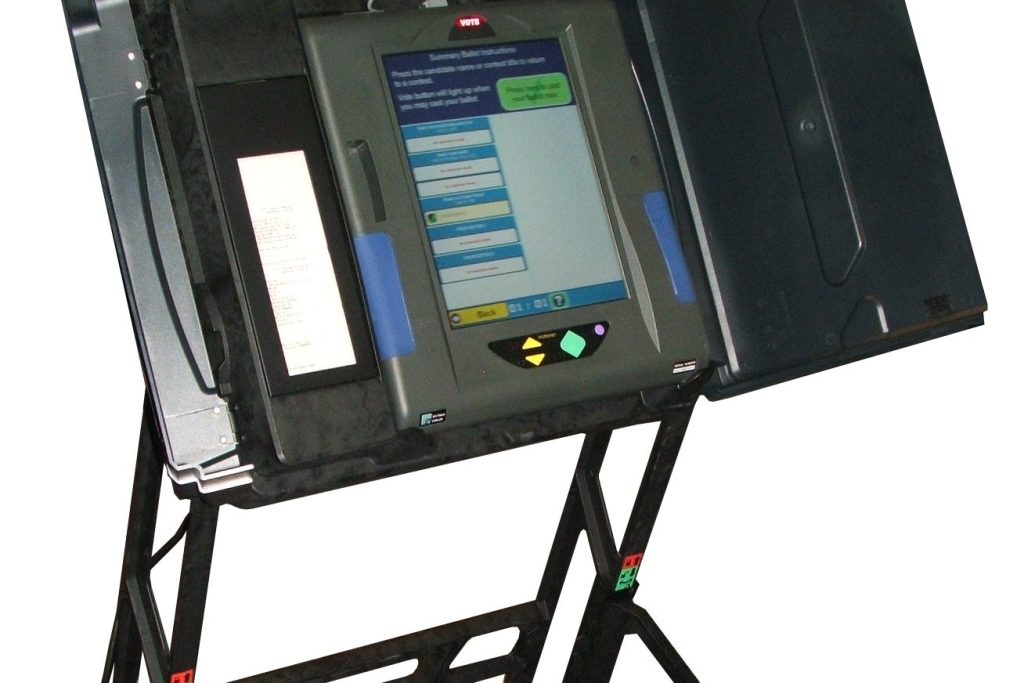
A System Built on Defense in Depth
In practice, voting machines across the United States are difficult to compromise on a large scale for several structural reasons. The vast majority are not connected to the internet, a fundamental barrier that prevents remote hacking. They are physically secured and monitored at polling locations. Most critically, nearly all jurisdictions now employ a system backed by voter-verified paper ballots. This paper trail is not an afterthought; it is the central pillar of what election security experts call defense in depth. The architecture is designed so that any error or interference—whether from technical glitch or malicious intent—can be caught through rigorous post-election audits and strict chain-of-custody controls.
The federal Cybersecurity and Infrastructure Security Agency (CISA), the body charged with protecting the nation’s election infrastructure, has consistently reported clean findings. For the 2024 election, CISA found no evidence of malicious activity that altered the integrity of the vote. This finding is consistent with its conclusions for both the 2020 and 2022 elections, providing a three-cycle clean slate from the agency tasked with monitoring these systems.
The Laboratory Versus the Real World
Independent security researchers have, over the years, identified genuine technical vulnerabilities in some voting machine models. These discoveries are made under controlled laboratory conditions and are a legitimate part of the ongoing effort to harden election systems. However, a crucial distinction must be made between a demonstrated vulnerability in a test setting and the exploitation of that vulnerability to change a real election result. The gap between “can be hacked in a lab” and “was hacked in a real election” is vast, and no evidence has closed that gap. No such exploitation that altered a vote count has ever been documented.
This is not a debate about whether machines are perfect. They are not. But an accurate account must present both sides: the legitimate concerns raised by security researchers and the equally documented absence of evidence that machines were actually hacked or votes changed in a real-world election. The safeguards that researchers advocate for—the paper trail—have performed exactly as designed. A notable example comes from Wisconsin, where a hand count of roughly 327,000 ballots, representing about ten percent of the total vote, reported no machine errors and found no proof of tampering. The paper trail confirmed the electronic count.
Historical Context and What Lies Ahead
The concept of a voting machine is not new, though its form has evolved dramatically. The first major proposal for a voting machine came from the Chartists in the United Kingdom in 1838, who envisioned a device where a voter would cast a single brass ball into a hole by a candidate’s name, advancing a clockwork counter. Today’s machines differ vastly in usability, security, cost, speed, and accuracy, and are designed to be more accessible to voters with disabilities. The shift toward electronic voting has been driven by the need for faster results in complex elections where many choices appear on a single ballot, as is common in the United States. In simpler parliamentary systems, tallies are often still done manually.
As the next election cycle approaches, the debate over voting machine security will only intensify. The evidence, however, remains consistent. The machines are offline, monitored, and backed by paper. CISA has found no evidence of malicious activity affecting election integrity across three cycles. The vulnerability-versus-exploitation distinction holds. By nightfall on any election day, the real test begins—not in the machines themselves, but in the audits that follow.




