
ISLAMABAD, August 6 — The intricate design of computer memory systems, known as the memory hierarchy, continues to be a central factor in determining a computer’s overall performance. Recent advancements in memory technologies like High Bandwidth Memory (HBM) are shaping the future of high-performance computing, offering significant improvements in data handling and efficiency.
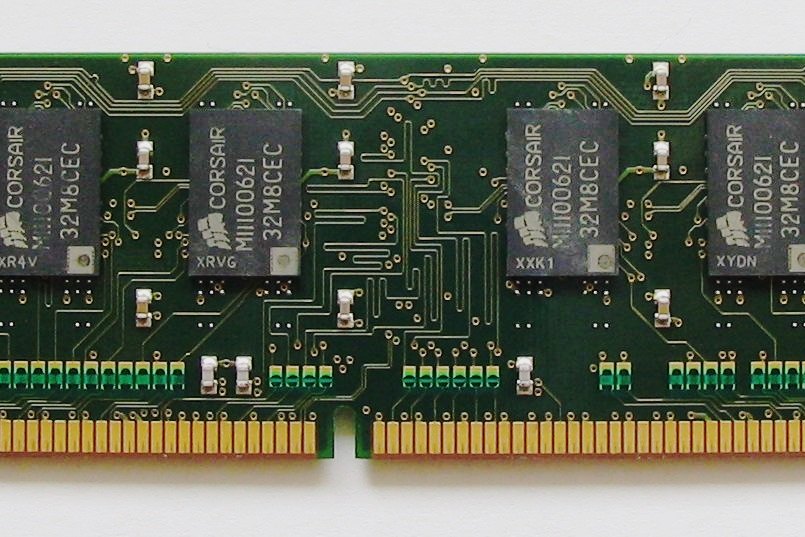
Dynamic Random Access Memory (DRAM) and HBM are two key types of computer memory designed to temporarily store data during operation. DRAM is a volatile technology, meaning any data it holds is lost when power is removed. HBM, on the other hand, is distinguished by its stacked architecture, which provides both higher bandwidth and reduced power consumption, making it particularly suitable for demanding applications.
Both DRAM and HBM are indispensable components across a range of modern computing applications. They are widely utilized in servers, graphics cards, and sophisticated artificial intelligence systems. The substantial memory bandwidth offered by HBM, capable of reaching up to 256 GB/s, underscores its importance in environments requiring immense data throughput, such as high-performance computing.
Understanding the Memory Hierarchy
The memory hierarchy itself is a fundamental concept in computer architecture, carefully separating computer storage into levels based on response time. This structured approach is critical for system performance, influencing everything from architectural design to algorithm predictions and low-level programming constructs that rely on data locality. Each level in this hierarchy, from processor registers to storage devices, possesses distinct characteristics in terms of speed, capacity, and underlying technology.
Generally, the hierarchy comprises internal processor registers and cache, main memory (system RAM and controller cards), on-line mass storage (secondary storage), and off-line bulk storage (tertiary and off-line storage). Each subsequent level in the hierarchy, moving away from the processor, is typically larger in capacity but slower in response. To prevent higher levels from waiting unnecessarily, a lower level will fill a buffer and then signal for the data transfer to begin, a carefully orchestrated process.
The design of high-performance systems hinges on understanding and managing the restrictions inherent in this hierarchy, specifically the size and capabilities of each component. Minimizing how far down the memory hierarchy a system must go to manipulate data is one of the primary methods to enhance overall performance. Metrics like latency and bandwidth are crucial here, though they are specific to each component within the hierarchy, rather than being uniform across the entire system. Predicting precisely where data resides within this complex structure can be challenging, but this location directly dictates the time required for prefetching data.
Evolution and Efficiency
Over time, both the number of levels within the memory hierarchy and the performance at each level have steadily increased. The types of memory and storage components used have also evolved significantly. For example, some central processing units (CPUs) now incorporate additional cache levels beyond the traditional L3 cache, such as the 128 MB L4 cache found on mobile units utilizing the Haswell microarchitecture. This continuous evolution points to the ongoing efforts to optimize data access and processing.
The lower echelons of this hierarchy, from mass storage downwards, are often referred to as tiered storage. This tiering further refines storage availability into distinct categories: online storage, which is immediately accessible for input/output operations; nearline storage, which is not immediately available but can be brought online quickly without human intervention (such as spinning disks that power down or automatically loaded tape cartridges); and offline storage, which requires manual intervention to become available.
Modern CPUs operate at such high speeds that for many program workloads, the primary bottleneck is not the processor itself, but rather the efficiency of memory accesses, data locality, and the effectiveness of caching and data transfers between the various levels of the memory hierarchy. This often results in the CPU spending a considerable amount of its time idling, waiting for memory I/O operations to complete, a phenomenon sometimes termed ‘space cost’.
As this vital area of technology continues to evolve, the encouraging part is the promise it holds for more capable and efficient systems. For those involved in system design
Sources
{“@context”: “https://schema.org”, “@type”: “NewsArticle”, “headline”: “How DRAM and HBM Work: A Technical Overview”, “description”: “ISLAMABAD, August 6 — The intricate design of computer memory systems, known as the memory hierarchy, continues to be a central factor in determining a…”, “datePublished”: “2026-08-06T09:30:00+00:00”, “author”: {“@type”: “Person”, “name”: “Muhammad Asim”}, “publisher”: {“@type”: “Organization”, “name”: “InfoPulse Today”, “url”: “https://newsfeed.infopulsetoday.com/”}, “citation”: [{“@type”: “CreativeWork”, “url”: “https://en.wikipedia.org/wiki/Memory_hierarchy”}]}




