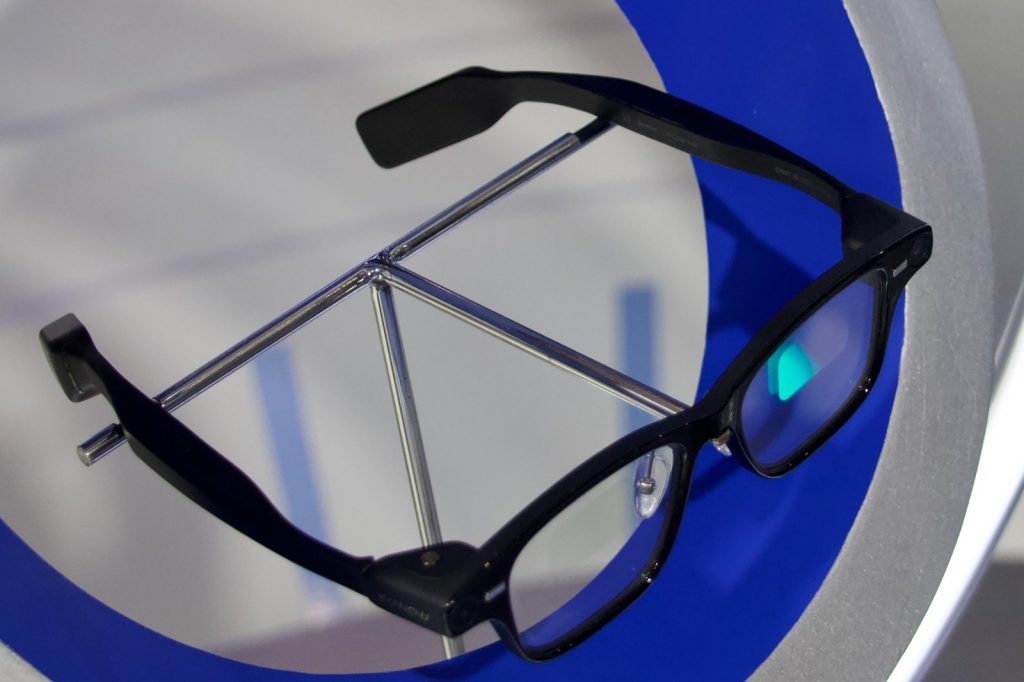
ISLAMABAD, July 16 — Facial recognition technology, a biometric tool that matches a person’s face against a database of stored images, is now being integrated into smart glasses, raising fresh concerns about the accuracy of these systems and the risk of false identifications. The technology works by pinpointing and measuring facial features from a digital image or video frame. It is used for authentication, ID verification, and increasingly in consumer devices.
Development began in the 1960s as a computer application, and over the decades, its use has expanded into smartphones, robotics, video surveillance, law enforcement, passenger screening, and even decisions about employment and housing. Governments and private companies around the world now employ these systems.
But the encouraging part for patients and consumers who worry about privacy and reliability is that researchers and regulators are paying close attention to how well these systems actually work.
How facial recognition compares
Facial recognition is categorised as a biometric technology because it measures physiological characteristics. However, its accuracy is lower than that of iris recognition, fingerprint image acquisition, palm recognition, or voice recognition. Despite this, facial recognition has seen widespread adoption largely because it is a contactless process — no touching a scanner or pressing a finger to a pad.
That contactless feature makes it attractive for integration into smart glasses, where a camera can capture a face from a distance and attempt to match it against a database. But early findings suggest that effectiveness varies considerably.
Some systems have already been scrapped due to ineffectiveness, and the technology can trigger incorrect matches against databases.
Risks with smart glasses
The integration of facial recognition into smart glasses raises specific concerns about false identifications. When a person wearing smart glasses looks at someone, the system may attempt to match that face against a stored database. If the match is wrong, the consequences could range from embarrassing to serious, depending on how the information is used.
Patients and consumers should talk to their doctor or a privacy specialist if they have concerns about how their biometric data might be collected or used by such devices. The technology is not perfect, and the risk of false positives remains a significant challenge for developers and users alike.
Looking ahead, the conversation around facial recognition in smart glasses will likely focus on improving accuracy and reducing false matches. For now, the technology remains a powerful but imperfect tool — one that requires careful oversight and informed consent from the people whose faces are being scanned.