
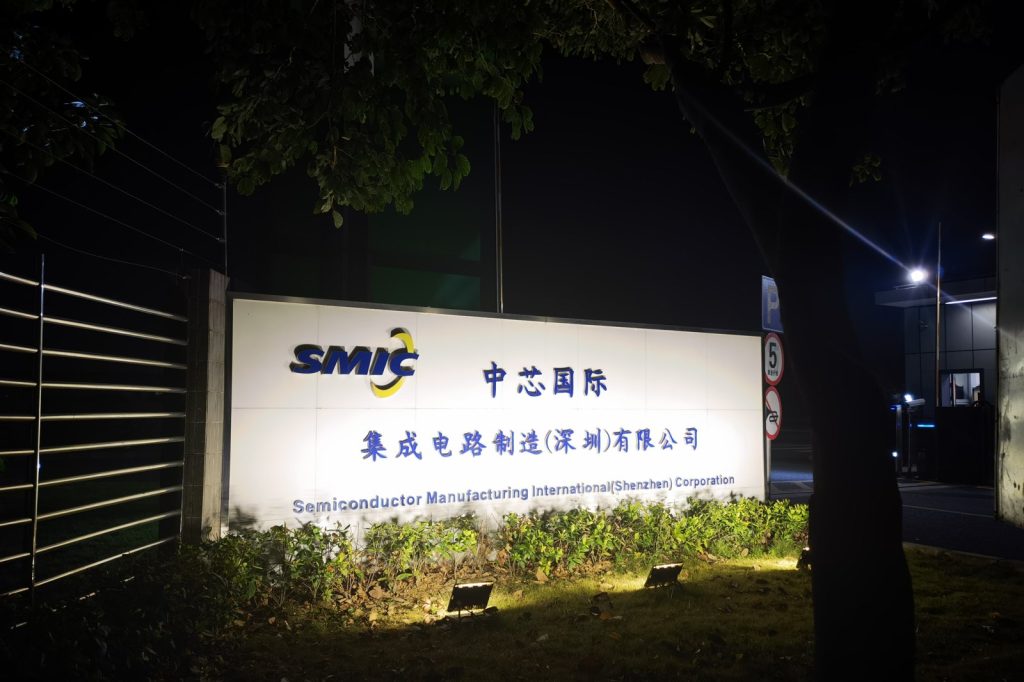
SHENZHEN, July 6 — The concrete number that defines the U.S.-China chip war is $400 billion. That was the value of semiconductors China imported in 2021, according to industry figures, a figure that underscores the vast gap between domestic production capacity and the country’s insatiable demand for advanced chips.
The conflict escalated in October 2022 when the Biden administration imposed sweeping export controls on advanced semiconductor technology to China. Those rules restricted sales of chips and chip-making equipment for nodes of 14-nanometer and below. The measures directly targeted Chinese firms including Huawei and Semiconductor Manufacturing International Corporation, or SMIC, which had already been added to the U.S. Entity List in 2020.
SMIC, China’s largest chipmaker, lags behind Taiwan’s TSMC and South Korea’s Samsung by several generations. The company currently produces chips at 14-nanometer and 7-nanometer nodes, but with limited yield. That technical reality has constrained Beijing’s ambitions for semiconductor self-sufficiency under its ‘Made in China 2025’ industrial plan.
By 2023, the Netherlands and Japan joined the United States in restricting exports of advanced lithography equipment to China. These machines, essential for etching the finest circuitry patterns onto silicon wafers, represent a bottleneck that Chinese firms have not yet been able to replicate domestically.
The U.S. response has been industrial as well as regulatory. The CHIPS Act of 2022 allocated $52.7 billion to boost domestic semiconductor manufacturing and research. The European Union followed with its own Chips Act in 2023, aiming to double Europe’s global market share to 20 percent by 2030.
China has invested heavily in domestic chip production in response. But the technology gap remains wide. The export controls have forced Chinese firms to accelerate their own R&D efforts, though industry analysts note that building competitive fabs and advanced process nodes takes years, if not decades.
What to watch next: whether the U.S. administration under President Donald Trump maintains or tightens the 2022 controls, and whether Chinese firms can achieve meaningful yield improvements at 7-nanometer production. The supply chain impact has already been felt across global electronics markets, with companies from smartphone makers to automakers adjusting their procurement strategies.
{“@context”: “https://schema.org”, “@type”: “NewsArticle”, “headline”: “U.S.-China Chip War Escalates with Export Controls and Sanctions”, “description”: “SHENZHEN, July 6 — The concrete number that defines the U.S.-China chip war is $400 billion. That was the value of semiconductors China imported in…”, “datePublished”: “2026-07-06T09:30:00+00:00”, “author”: {“@type”: “Person”, “name”: “Li Wei”}, “publisher”: {“@type”: “Organization”, “name”: “InfoPulse Today”, “url”: “https://newsfeed.infopulsetoday.com/”}}




