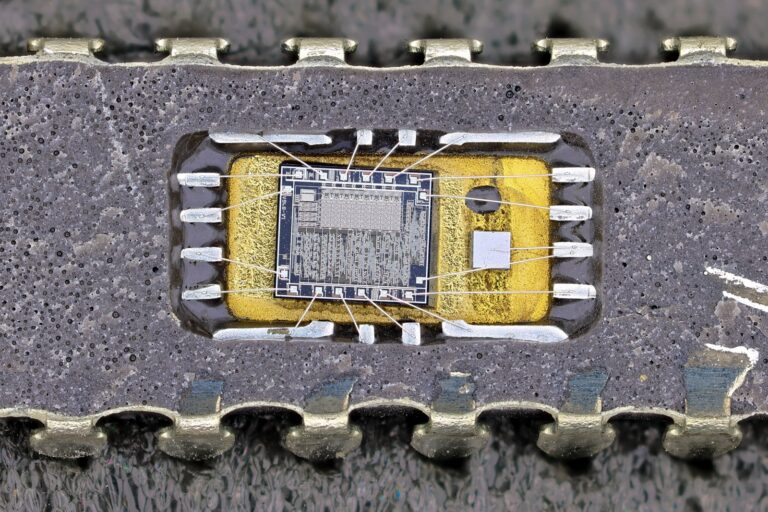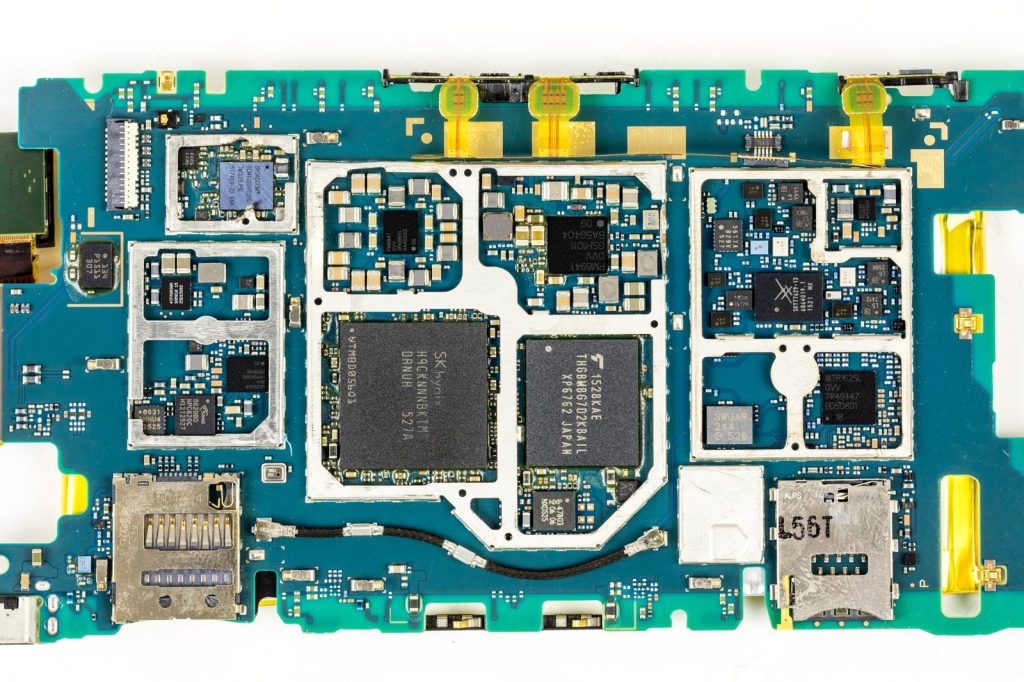
Memory chips are suddenly the most contested component in electronics. AI server farms are eating them by the billions. Prices are swinging wildly.
And every 5G device maker stuck waiting for RAM shipments knows the pain firsthand. Fibocom just threw a lifeline into that mess.
At MWC Shanghai 2026, the company launched the FG550-EAU module — a 5G chip built on Samsung’s Exynos Modem platform — but with a twist. They cut the RAM from LPDDR4x 8Gb down to LPDDR4x 4Gb. Half the memory.
Same core functions. Same customization options for customers.
The math is brutal. When memory costs spike, hardware margins evaporate. A 5G router or industrial terminal that needed an 8Gb chip now faces a choice: pay inflated prices or delay production.
Fibocom’s bet is that 4Gb is enough — that the module can still handle its job without the extra overhead. If they are right, the cost savings ripple straight down the supply chain. This is not theoretical.
The report notes that demand for AI servers and data centers has already caused memory shortages and price volatility. That is the concrete reality right now.
Every 5G terminal maker competing for the same limited pool of LPDDR4x chips is watching procurement costs climb. A module that uses half the RAM changes the equation entirely. It opens up supply options that simply were not there before.
The FG550-EAU is not a stripped-down budget part. Fibocom claims the optimization retains business functions and customer-specific customization.
That matters. If the module had to drop features to save memory, the trade-off would be unacceptable for many industrial or enterprise customers. The company says it did not have to.
What is at stake is straightforward. 5G device commercialization is still scaling. The cost of the modem module is a major line item. If memory remains tight and expensive, that scaling slows.
Fewer devices ship. Higher prices reach end users.
Fibocom’s move is a direct counterpunch to that scenario — a way to keep 5G terminals competitive even when the broader chip market is squeezed. There is a reason this launch happened at MWC Shanghai, not in a press release from a quiet Tuesday. The timing is deliberate.
The memory crunch is not easing. AI demand is not slowing.
Every player in wireless is watching memory costs like hawks. Fibocom is signaling that it sees the problem and has a working answer. The module itself is based on the Samsung Exynos Modem platform, which is already a known quantity in 5G connectivity.
That foundation gives the FG550-EAU a baseline of reliability. The optimization work was about trimming the fat, not rebuilding the engine. Whether the 4Gb configuration proves sufficient in real-world deployments is the open question.
Benchmarks and lab tests are one thing. Field performance under load is another.
But the direction is clear. When memory is the bottleneck, cutting memory demand is the most direct fix available. Fibocom just did it.
Sources
- Fibocom Achieves 4Gb LPDDR4x Memory Optimization on FG550…
- Fibocom FG550 Successfully Optimizes Competitiveness for…