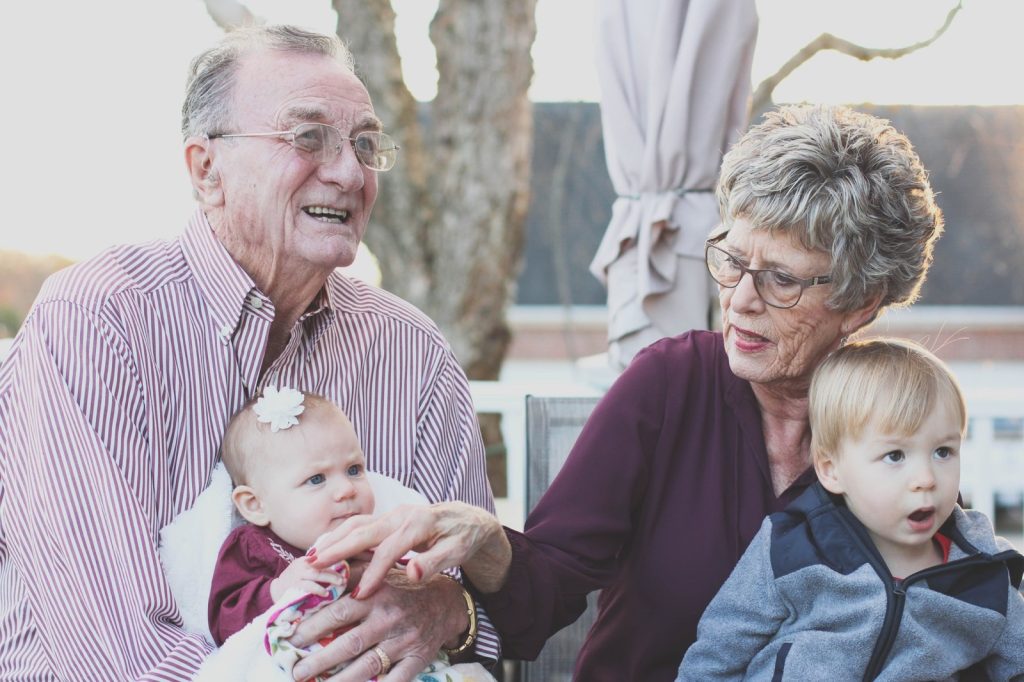
SAN FRANCISCO, September 21 — The shift is generational, and it runs straight through the family photo album. Baby boomers, the Americans born between 1946 and 1964, are increasingly turning to generative AI image tools to produce idealized portraits of their grandchildren. Their millennial children, born between 1981 and 1996, are pushing back.
The dispute is not about aesthetics. It centers on consent, privacy, and the meaning of family memory — three things that get complicated fast when a child’s face becomes a text prompt.
How the tools reached the kitchen table
Generative AI systems produce new images from text prompts, and they became widely accessible to consumers in a matter of months. OpenAI released DALL-E in January 2021. Midjourney followed in July 2022, and Stable Diffusion arrived in August 2022.
OpenAI, founded in December 2015 and based in San Francisco, launched ChatGPT in November 2022, bringing text-to-image and related tools to a mass audience. Meta Platforms, formerly Facebook and now the parent of Instagram and Facebook, has integrated AI image features into its apps.
Google, a subsidiary of Alphabet Inc., has released its own image-generation models. That distribution matters. These are not niche products anymore; they sit inside the apps where families already share photographs.
The millennial objection
Millennial parents have raised two distinct concerns. The first is that uploading a child’s photograph to such services may violate the child’s privacy. The second is that the resulting synthetic images can distort family history — an idealized portrait standing in for a real one.
The legal ground underneath those concerns is already crowded. The Children’s Online Privacy Protection Act, a US federal law enacted in 1998, requires parental consent before collecting personal information from children under 13.
The European Union’s General Data Protection Regulation, which took effect in May 2018, imposes strict rules on processing personal data, including biometric data. Several US states regulate the collection of facial data, among them Illinois with its Biometric Information Privacy Act of 2008. Watch this space, because the grandchild portrait is only the friendly face of a much larger fight.
AI-generated imagery has fueled broader debates about deepfakes and misinformation. The term ‘deepfake’ gained currency in 2017 after a Reddit user created face-swapped videos.
In 2023, the Federal Trade Commission warned about AI-generated scams, and in 2024 the US Senate considered several bills addressing AI transparency.
The trend underneath
What’s changing is not the technology’s capability but who is holding it. Boomers often view these tools as a way to connect. Millennials prioritize control over their children’s digital footprints. The generational friction over grandchild images reflects deeper questions about how families negotiate technology — questions that will keep arriving at the dinner table long after the novelty of a synthetic portrait wears off.