DETROIT, November 5, 2026 — General Motors is betting a cultural overhaul and a $900 million investment in manganese-rich chemistry can crack China’s lock on affordable EV batteries. The automaker is pushing engineers to challenge hierarchy while targeting commercial production of lithium manganese-rich cells with LG Energy Solution by 2028.
The Cultural Lever
Kurt Kelty, GM’s vice president of battery and sustainability, told Fortune the company has spent more than a decade researching lithium manganese-rich (LMR) technology. The breakthrough, he said, came only after a deliberate cultural shift. GM now encourages engineers to use the phrase “I want to grant myself permission to speak fearlessly” when disagreeing with seniors.
Battery engineer Andy Oury said the approach opened the debate over LMR batteries. Kelty described a call where an engineer interrupted him with that exact script — “Kurt, I want to have permission to speak fearlessly. What you said is absolutely wrong. It is not the way we should be going” — while a senior vice president listened. Kelty welcomed the intervention. He also implemented measurable quarterly goals tracked with red, yellow, and green indicators, telling Fortune he wants to see red lights: “If there isn’t, then to me that means that they didn’t stretch far enough.”
The Technical Reality
The chemistry matters more than the culture. Most of the world’s inexpensive EV supply runs on lithium iron phosphate (LFP), a supply chain dominated by China. GM’s LMR cells replace much of the nickel and cobalt with cheaper, more plentiful manganese and additional lithium. The company claims the technology delivers roughly a third more energy density than leading LFP cells at comparable cost. Higher energy density means batteries store more energy for their size or weight — critical for the electric trucks and large SUVs GM targets.
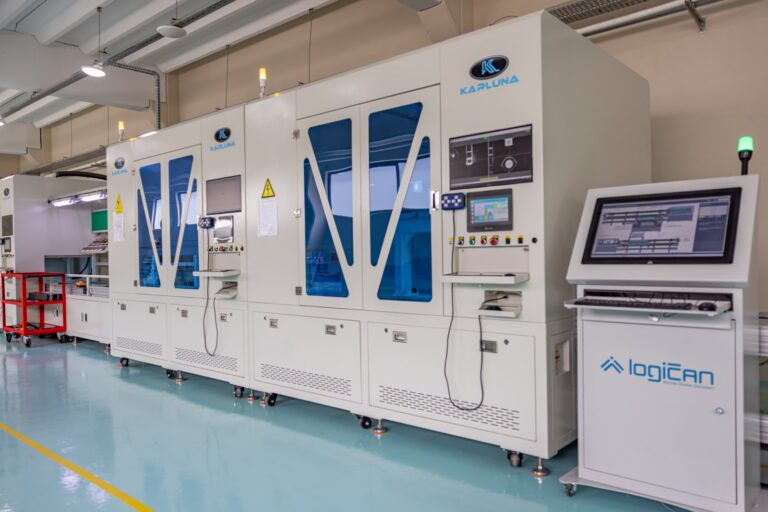
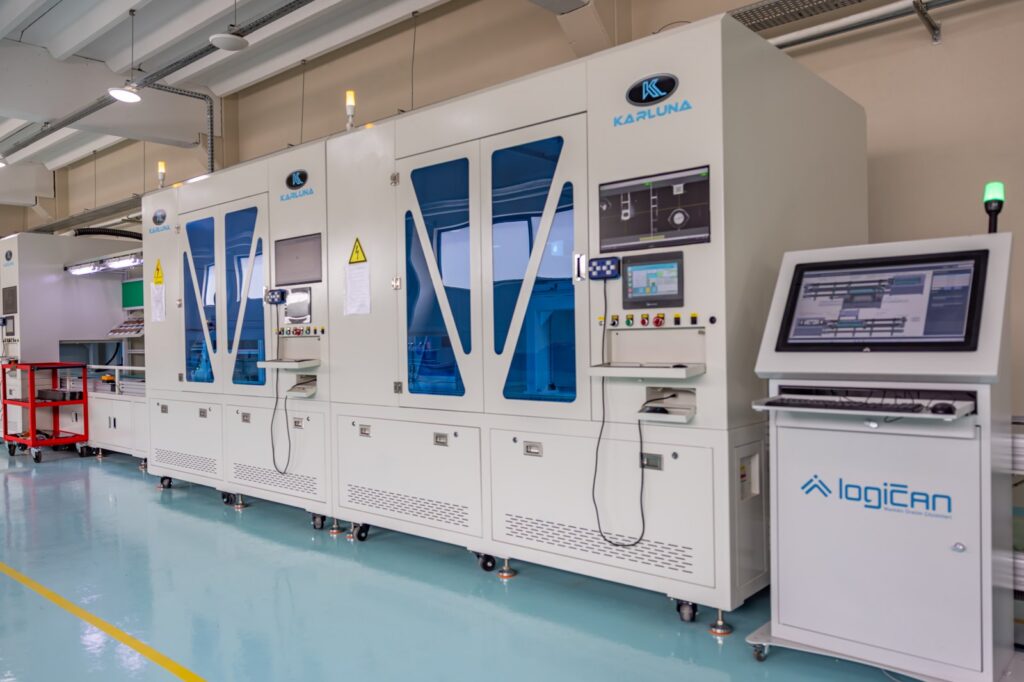
The $900 million going into Warren, Michigan, development facilities marks a shift in execution. Previously, GM relied on partners to turn its cell designs into physical batteries. The new site lets engineers develop cells and work out manufacturing under the same roof. Kelty acknowledged GM has enough supporting data to get about 60% to 70% of the way to its LMR decision, with further development needed to close the gap.
The Market Context
GM shares rose 12% in the week to a 52-week high of $92.43 on November 4, lifted by Ford’s raised outlook and midterm results that sent investors toward Detroit and away from Tesla. Consensus estimates project normalized EPS rising to $16.10 in 2028 from $10.60 in 2025, driven largely by buybacks that have cut the share count to 849 million from 1.2 billion at the end of 2023. The board added a $20 billion buyback authorization in October.
Commodity inflation remains the wildcard. CFO Paul Jacobson warned analysts that if cost increases since July were annualized, they “would result in a total headwind for 2027 of roughly $2 billion.” GM’s listing moves to Nasdaq on November 17, a switch that could make it eligible for the Nasdaq-100.
Sources
- General Motors is taking EV battery fight to China and on the way, company's message for its engineers is: Tell us when we are wrong, grant yourself permission to …
- General Motors
- General Motors | Fortune
- General Motors will pay $220M in nationwide settlement for illegally sharing drivers' private data, Weiser announces
- General Motors Gains 12% in a Week to a 52-Week High: Is There Room to Run?
- Brewers Exec Hired as A's GM After Milwaukee's Historic World Series Title
Photo: MelihSolmaz (CC BY-SA 4.0)