SEOUL, October 28, 2026 — Facing a surge in demand for AI-driven hardware and tightening global trade restrictions, Chinese technology giants are seeking long-term memory supply contracts with South Korean manufacturers Samsung Electronics and SK Hynix. These firms, including Alibaba, Tencent, and ByteDance, are pursuing agreements that would extend until 2035, significantly exceeding the standard three-to-five-year industry cycles, according to reports.
The Mechanics of AI Memory Scarcity
The global semiconductor market is currently grappling with a supply-demand imbalance driven primarily by the rapid expansion of artificial intelligence infrastructure. As AI services require increasingly complex data processing, the need for high-performance memory has outpaced current production capacities. According to industry sources, these Chinese technology firms are attempting to secure a consistent supply chain to ensure their future AI operations remain functional despite geopolitical trade constraints.
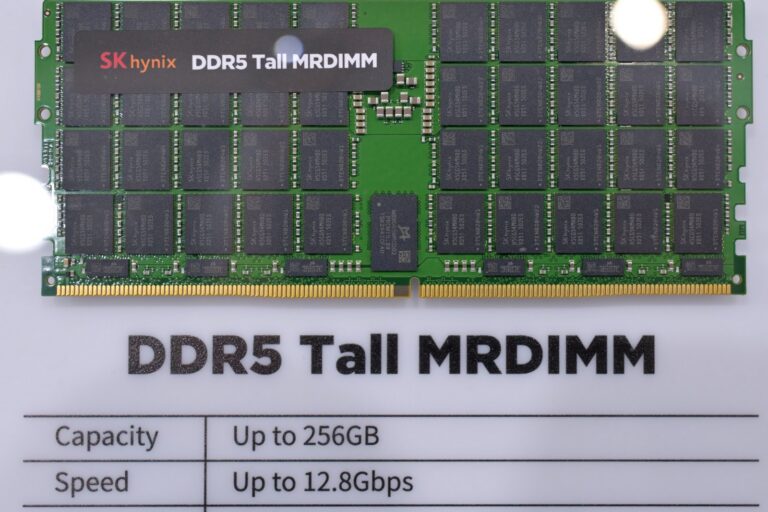
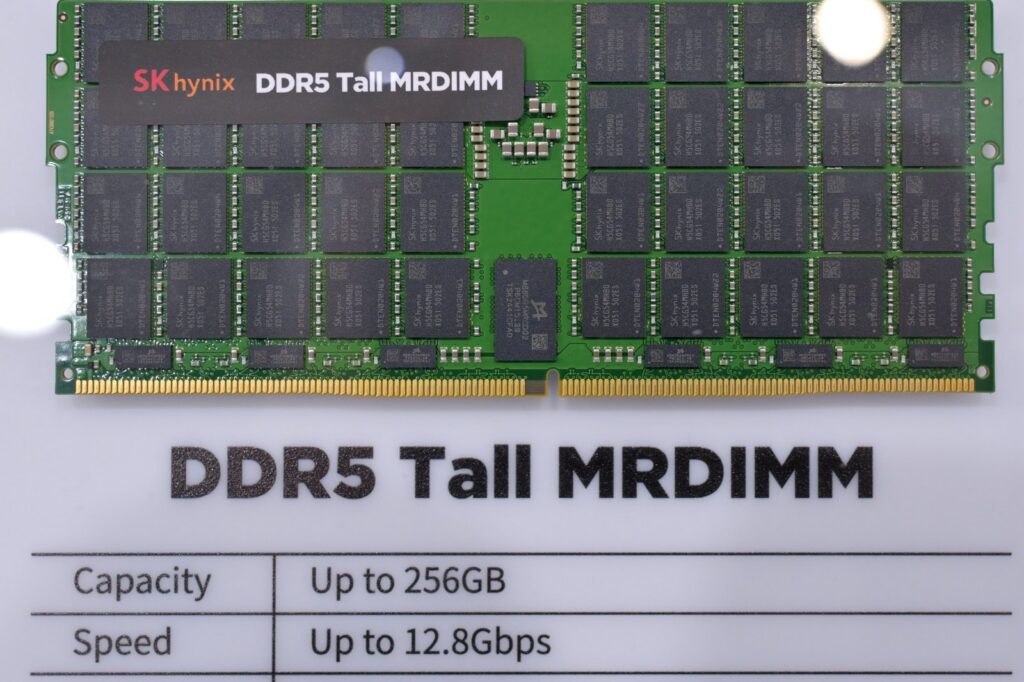
The focus of these long-term procurement efforts lies in two specific memory categories: DDR and LPDDR. DDR memory is essential for high-speed server data processing, while LPDDR is traditionally associated with mobile devices due to its power efficiency. Recently, LPDDR has gained traction in AI server configurations as engineers look to reduce electricity consumption in large-scale data centers. By locking in these supplies, companies are aiming to mitigate the risk of shortages that could stall their AI development, even if it requires paying higher prices to ensure priority access.
Financial Performance and Market Dominance
SK Hynix, a member of the “Big Three” memory manufacturers alongside Samsung Electronics and Micron, is at the center of this supply-chain shift. The company reported record-breaking financial results for the third quarter of 2026, with revenues reaching 104.6155 trillion won. This milestone marks the first time in the company’s history that quarterly revenue has surpassed the 100 trillion won threshold. According to the company, these gains were driven by high-value-added products, specifically server DDR5 and the initial shipments of HBM4.
The financial health of the firm has improved alongside these production milestones. At the end of the third quarter, SK Hynix held 114.5 trillion won in cash and cash equivalents, an increase of 26.5 trillion won from the previous quarter. With borrowings decreasing to 15.8 trillion won, the company’s net cash position has reached 98.7 trillion won. CEO Kwak Noh-Jung stated that the company intends to share the returns from strategic investments with shareholders. Following this principle, SK Hynix has decided to issue a special dividend using gains realized from its investment in Kioxia.
Historical Context of the Memory Giants
The current market position of SK Hynix is the result of decades of restructuring and consolidation within the South Korean semiconductor industry. Founded in 1983 as Hyundai Electronics by Chung Ju-yung, the company initially struggled to compete with established rivals like Samsung. Early attempts to produce SRAM proved unsuccessful, and the company eventually shifted its strategy toward DRAM manufacturing by importing designs from foreign firms.
By 1992, Hyundai had established itself as the world’s ninth-largest DRAM manufacturer. Following the 1997 Asian financial crisis, the South Korean government initiated a restructuring of the nation’s major conglomerates, which led to the integration of various semiconductor operations. In 2012, the company was incorporated into the SK Group, becoming a core affiliate alongside SK Innovation and SK Telecom. Today, the company serves a wide array of global customers, including Nvidia, Microsoft, Apple, and Hewlett Packard Enterprise, maintaining its status as a foundational vendor for the global computing industry.
Long-Term Outlook for Supply Chains
The current supply shortage is expected to persist through 2030, according to projections from SK Hynix. The company identifies a virtuous cycle where AI-driven productivity gains in software development, search, and customer service trigger greater AI adoption. This adoption necessitates further investment in infrastructure, moving the primary drivers of demand from a small group of early adopters to a broader base of general enterprises and nation-level initiatives.
As the global AI data center infrastructure market continues to expand, the pressure on the “Big Three” to maintain steady output will likely remain high. The shift toward 20-year contracts reflects a broader industry concern regarding the availability of critical components. For manufacturers, these long-term deals provide a degree of revenue predictability, but they also highlight the intensity of the competition for advanced memory components. With high-value-added products like 321-layer TLC eSSD and HBM4 leading the market, the ability to scale production while managing geopolitical trade hurdles will define the competitive landscape for the remainder of the decade.
Strategic Shifts in Memory Technology
The rapid expansion of artificial intelligence services has fundamentally altered the requirements for data center infrastructure, creating a specific demand for high-performance memory solutions. As AI models become more complex, the need for memory chips capable of processing vast amounts of data at speed has outpaced current global production capacities. This imbalance is driving companies to look beyond traditional computing standards and explore alternative technologies that offer greater efficiency.
In response to the escalating demand for power-efficient solutions in large-scale data centers, engineers are increasingly turning their attention to LPDDR memory. Traditionally associated with mobile devices due to its low power consumption characteristics, this technology is now gaining significant traction in server configurations. By utilizing LPDDR, operators aim to reduce the electricity usage inherent in massive computing clusters. This shift represents a strategic adaptation where companies accept paying higher prices or securing priority access to ensure their AI operations remain functional despite tightening global trade restrictions.
The urgency of these procurement efforts is underscored by projections from SK Hynix regarding market longevity. The company identifies a virtuous cycle where productivity gains in software development, search, and customer service trigger greater adoption, which in turn necessitates further investment in infrastructure. As the primary drivers of demand shift from early adopters to a broader base of general enterprises and nation-level initiatives, the pressure on manufacturers to maintain steady output will remain high. Consequently, securing long-term contracts extending until 2035 has become essential for both Chinese technology giants and major US firms to mitigate the risk of future shortages that could stall critical AI development.
Sources
- Chinese tech giants seek long-term memory deals with Samsung and SK Hynix – Sammy Fans
- SK Hynix
- SK hynix Announces 3Q26 Financial Results | SK hynix Newsroom
Photo: 4300streetcar (CC BY 4.0)