Hundreds of supermarkets and meat suppliers across seven European countries woke up to spoiled stock after hackers remotely cranked fridge thermostats to 50 degrees Celsius or flipped units into defrost mode overnight. The UK National Cyber Security Centre called it a “wake-up call” and warned retailers to update temperature controller software immediately, saying digital infrastructure “remains outdated and vulnerable.”
How Botnets Find Their Way Into Kitchen Appliances
Commercial refrigeration units connect to the internet so operators can monitor temperatures and adjust settings from a central dashboard. That convenience creates an attack surface: many controllers run on firmware that goes years without a security patch, and some still ship with default administrator credentials that never get changed. Automated botnets scan for these exposed management interfaces, log in, and push malicious configuration changes — raising set points, disabling alarms, or triggering defrost cycles — across hundreds of sites in a single night.
The Scale of Loss for Communities and Businesses
In Belgium, branches of Carrefour, Intermarché and Ikea lost inventory. In Sweden, Coop and ICA stores were hit. Delhaize in Luxembourg, Kesko in Finland, SuperValu in Ireland, and retailers in Estonia reported similar intrusions. The NCSC confirmed it “worked through the night” alerting potentially affected organisations and acknowledged a “couple of impacts” domestically. Millions of euros worth of fresh and frozen food went to waste — food that would have fed families across the region.
What This Means for Households With Connected Devices
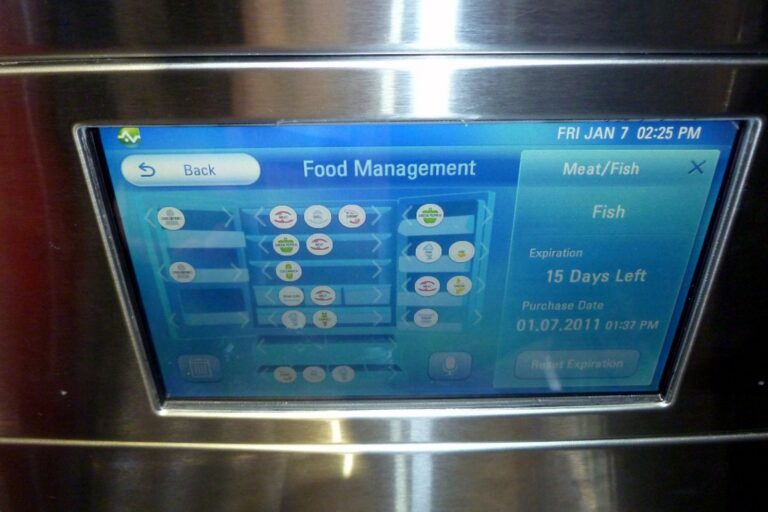
The same connectivity that lets a store manager check a walk-in freezer from a phone exists in home smart fridges, ovens, and climate systems. When manufacturers treat security as an afterthought, the risk moves closer to home. A compromised refrigerator can spoil a week’s groceries, but it can also become a foothold on a home network, giving attackers a path to laptops, phones, and stored credentials. For communities that rely on affordable, reliable appliances, that vulnerability is not abstract.
Immediate Steps to Harden Your Own Devices
Change any default password on the appliance’s management interface before connecting it to Wi-Fi. Place IoT devices on a separate network segment — most modern routers support a guest or IoT VLAN that isolates them from primary devices. Check the manufacturer’s support site for firmware updates monthly; if none have been issued in over a year, treat the device as unsupported. Disable remote access features you do not use. If the appliance cannot receive automatic security patches, consider replacing it with a model from a vendor that commits to a defined support lifecycle.
Industry Response and What Comes Next
The NCSC is working with retailers and manufacturers to make “fridges and freezers as secure as possible against potential attacks,” according to Graham Wynn. French retailers faced a similar incident earlier, and six US military bases experienced fridge malfunctions in August now under investigation as a cyber attack. No group has claimed responsibility for the European campaign, and no ransom demands have surfaced. The pattern points to automated exploitation at scale rather than targeted intrusion — a reminder that botnet operators do not discriminate between a supermarket chain and a household kitchen.
Sources
- UK fridges hacked in cyberattack targeting several counties – here’s what you need to know
- Home automation
- How Much Do Security Cameras Cost in 2026? | Security.org
- Need An Affordable Home Security Setup? These 5 Gadgets Can Help – BGR
- Apple's HomeView Smart Home Hub May Serve as a HomeKit Security Camera | KuCoin
- Apple HomeView May Soon Become an Indoor Security Camera
Photo: David Berkowitz (CC BY 2.0)